Important Health Info for ALL Dogs:
Xylitol is now being labeled as "Birch Sugar"
This is a sweetener used in food, most commonly in peanut butter and candy.
It is VERY toxic to dogs.
Keep your pups safe.
IMPORTANT
Announcing diagnosed targeted blood sample collections!
Berner Garde is starting a new thoughtful program and will be accepting targeted diagnosed blood samples for specific diseases to be stored in the BMD Repository at Michigan State University (MSU). Starting in January 2025, we will be focused on and accept DNA blood samples on 2 separate diseases plus from veteran dogs over 10 years of age for control samples. The diseases we will be seeking blood samples on are:
1. SAS (Subaortic Stenosis)
2. Renal Dysplasia
3. Veterans over 10 years of age
>>> please see the Berner Garde page for more information and how to submit the samples
First Aid Kit
Rectal thermometer
Rubber gloves
Instant ice packs
Clean T shirt
Antiseptic - betadine
Towel or Blanket or bed sheet
Strip fabric Or tourniquet - for tourniquet
Cannot be placed for more than 20 mins at a time. ONLY for severe arterial bleeding
Venous bleeding, try to elevate
Can also be used as pressure wrap
Muzzle - fabric is fine
Slip lead
Blunt scissors/bandage scissors
Neosporin
Saline eye wash
Ace bandage material
Roll gauze, bandage tape
Feminine hygiene pad - can be applied to bleeding to control while it clots
Or telfa, gauze squares
Duct tape
Gauze squares - can apply over bleeding or use with betadine to clean wounds
Benadryl
Tweezers
Tick remover – tick twister or tick key
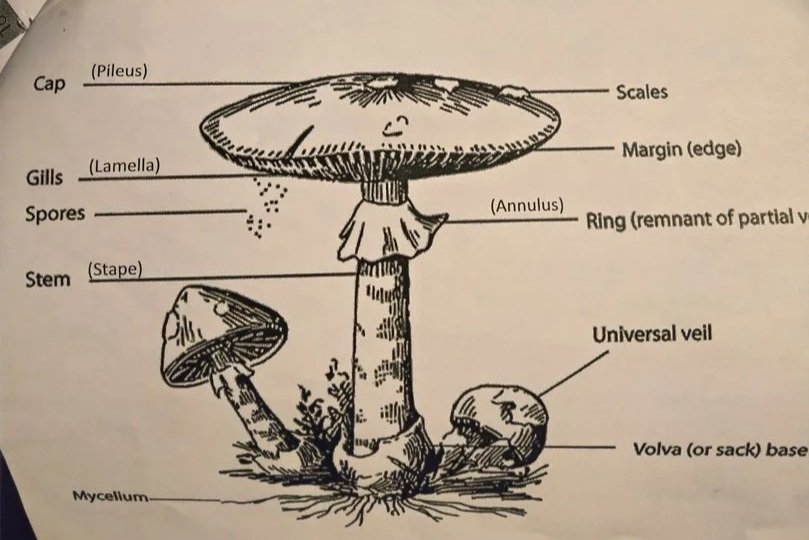
Information on Mushrooms
Discussed April 14, 2023
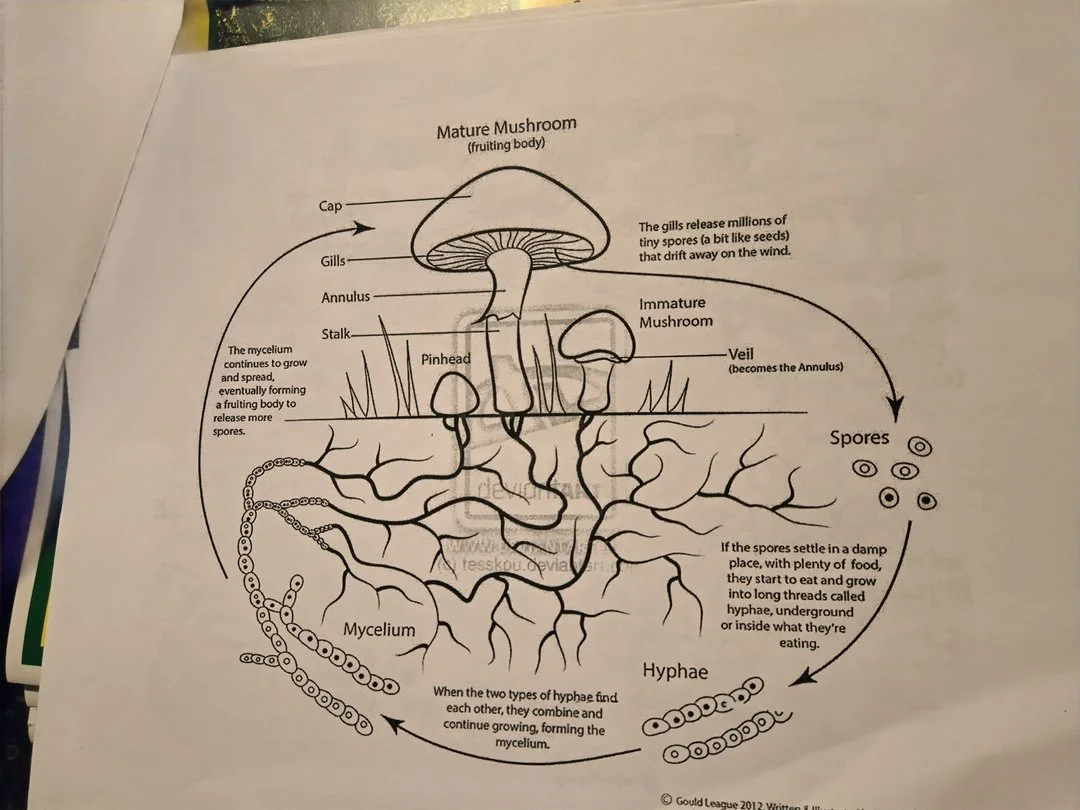
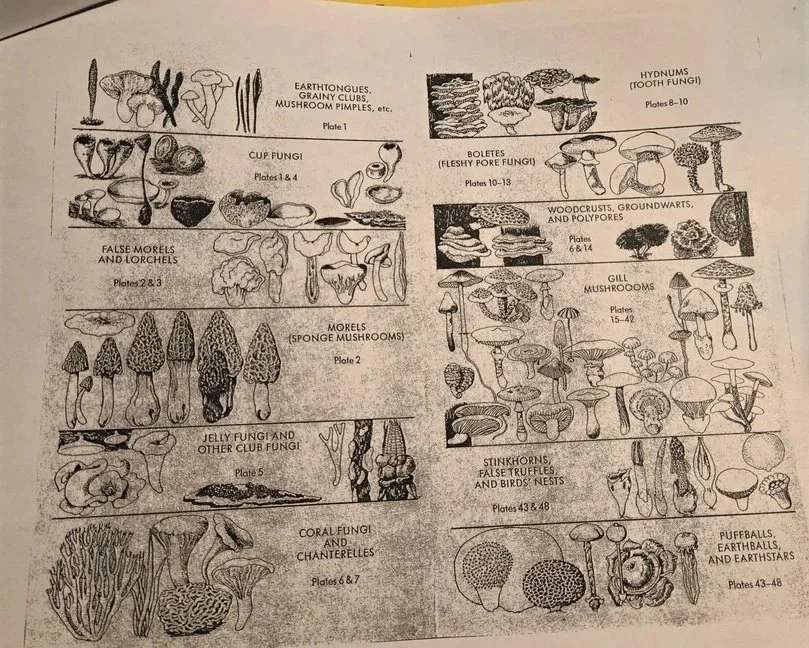
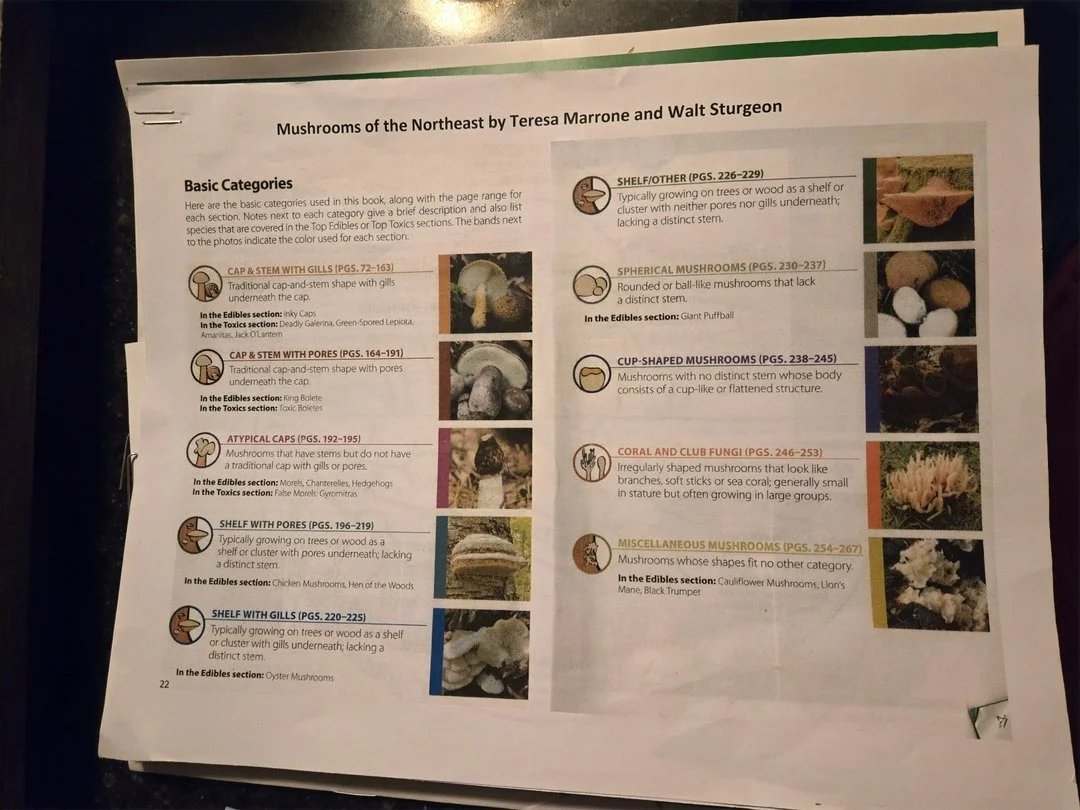
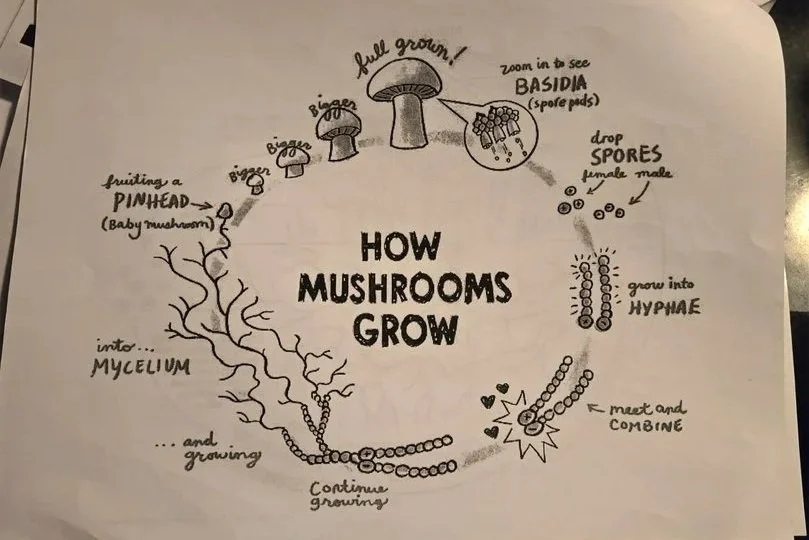
There have been many questions regarding Berner Garde, what it is, what it does. Here is the general idea what it was founded for:
Berner-Garde Database General Information
The Berner-Garde Foundation was established to assist in efforts to improve the health of Bernese Mountain Dogs. Our efforts are designed to support scientific research into the causes and cures for genetic diseases and general health of our beloved Berners. A major part of this effort is operating the open health database for Bernese Mountain Dogs that you are now viewing.
This database allows researchers, breeders, and fanciers of Bernese Mountain Dogs access to the most extensive collection of health and pedigree information available. Anyone is welcome and encouraged to create a profile for their Bernese, add health certifications, pedigree information, litters, photos and, most importantly, update the database with all health issues and if at all possible, age and cause of death. All pure bred Bernese are welcome to be entered into the database. Your dog does not need to be registered with any breed club and can be a rescue.
All the information added to the database helps researchers learn what health issues our breed is facing and if there are any correlations that can be drawn from research. It also helps breeders make educated decisions about breeding Bernese Mountain Dogs. If you would like to submit data about your dog click on “Submit Data” at the top of the page and follow the directions.
You will notice that, due to the generosity of our donors, this site is free from commercial advertising, annoying pop-ups, and tracking. The Berner-Garde Foundation is a 501-c-3 charitable organization and donations of any amount are appreciated.
OK --- now, you've got yourself a Berner, because you just couldn't resist the cuteness of that little fluffy baby bear! A Berner is a big dog! A working dog! What do you do with a working dog? They need to do something, even if it is just for your own sanity .... and to perfectly bond. If you are lucky, you have a mentor to help with this. To give you an idea what our club members, and/or other owners of working dogs do to keep the four-foots busy, or just because they want to try something new.
For example, we help transport rescue dogs to their new homes, we foster rescues/owner surrenders until a forever home has been found and a whole slew other other things, some of it will be outlined below
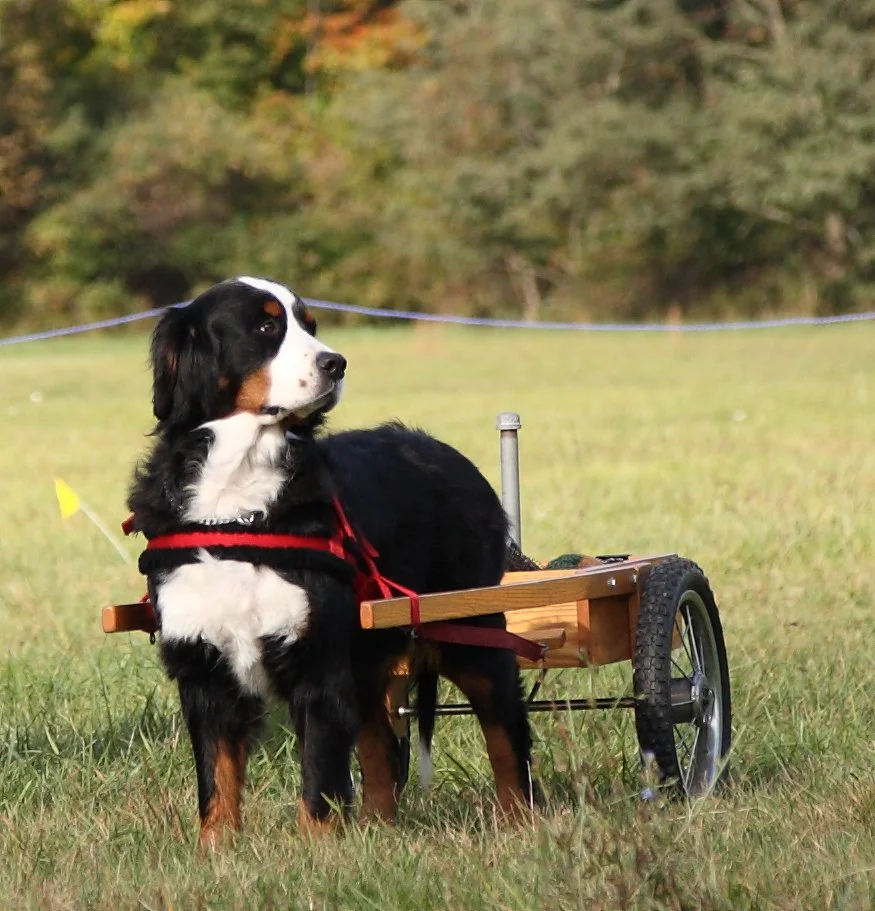
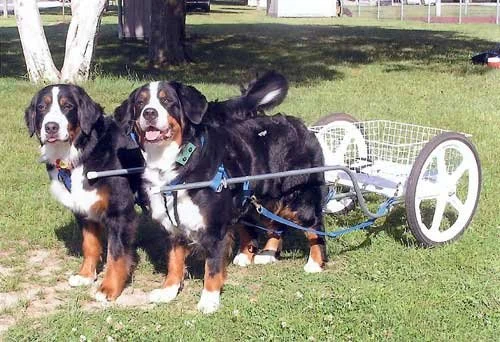
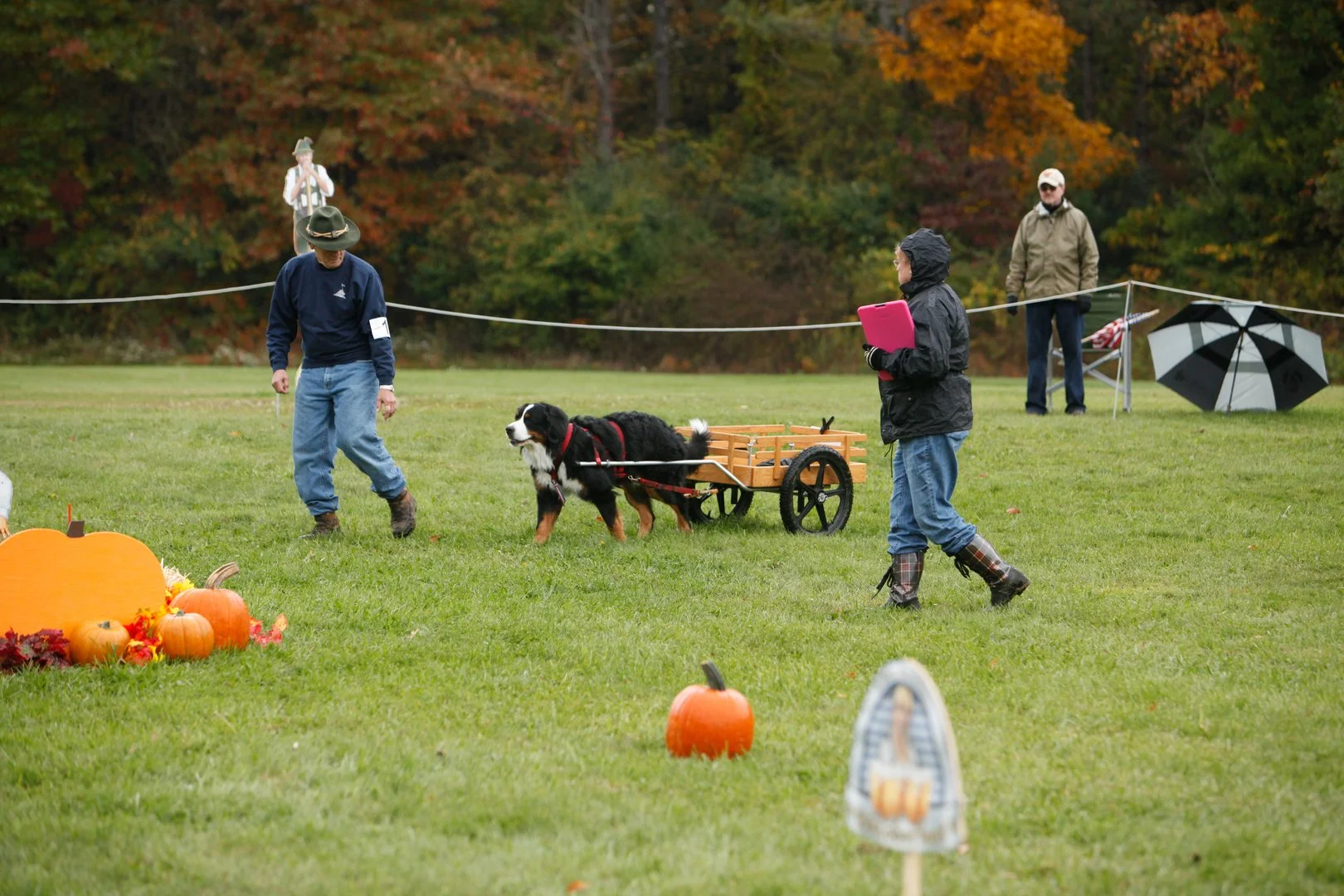
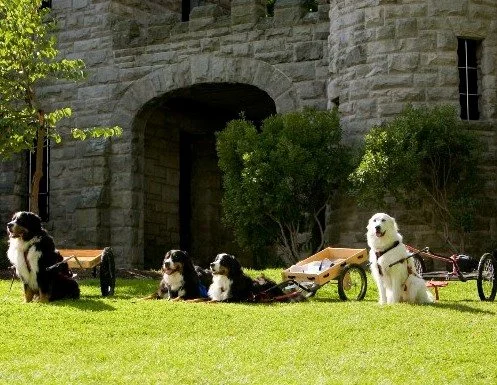
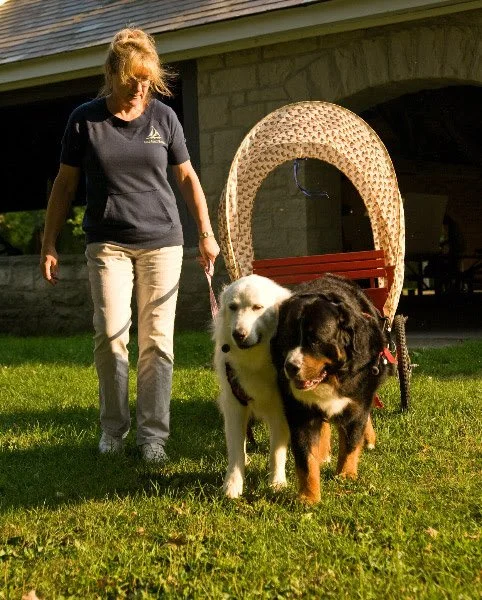
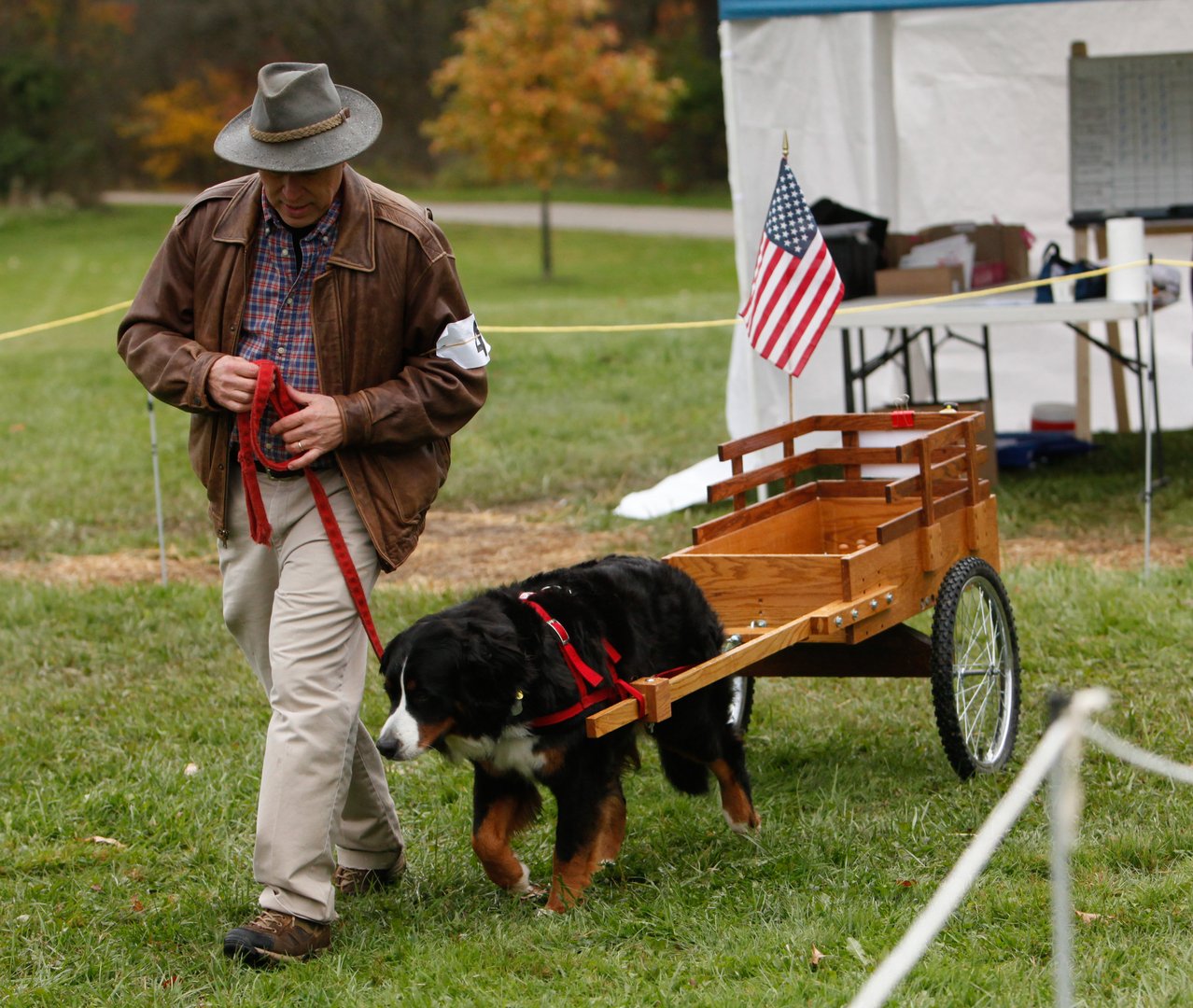
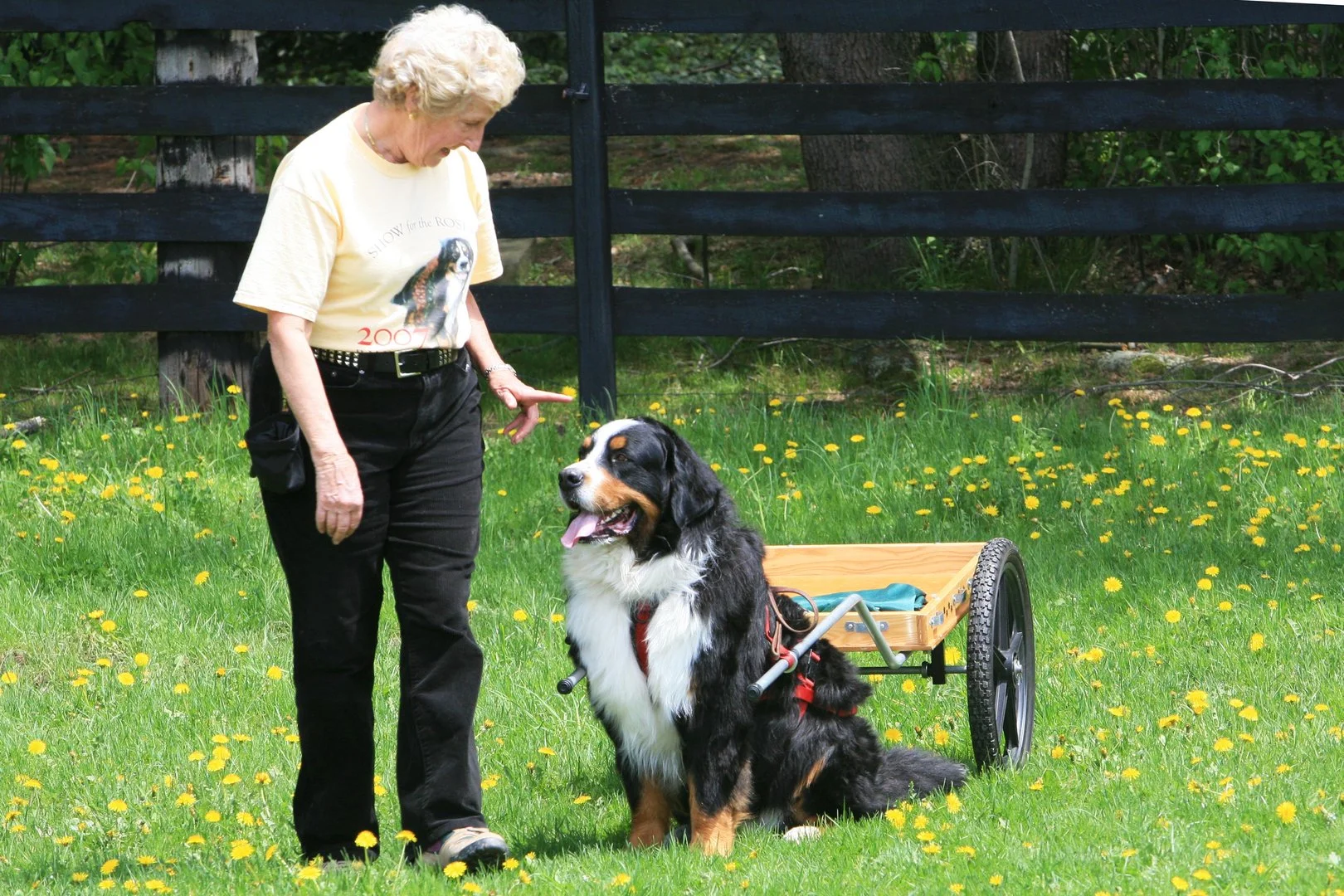
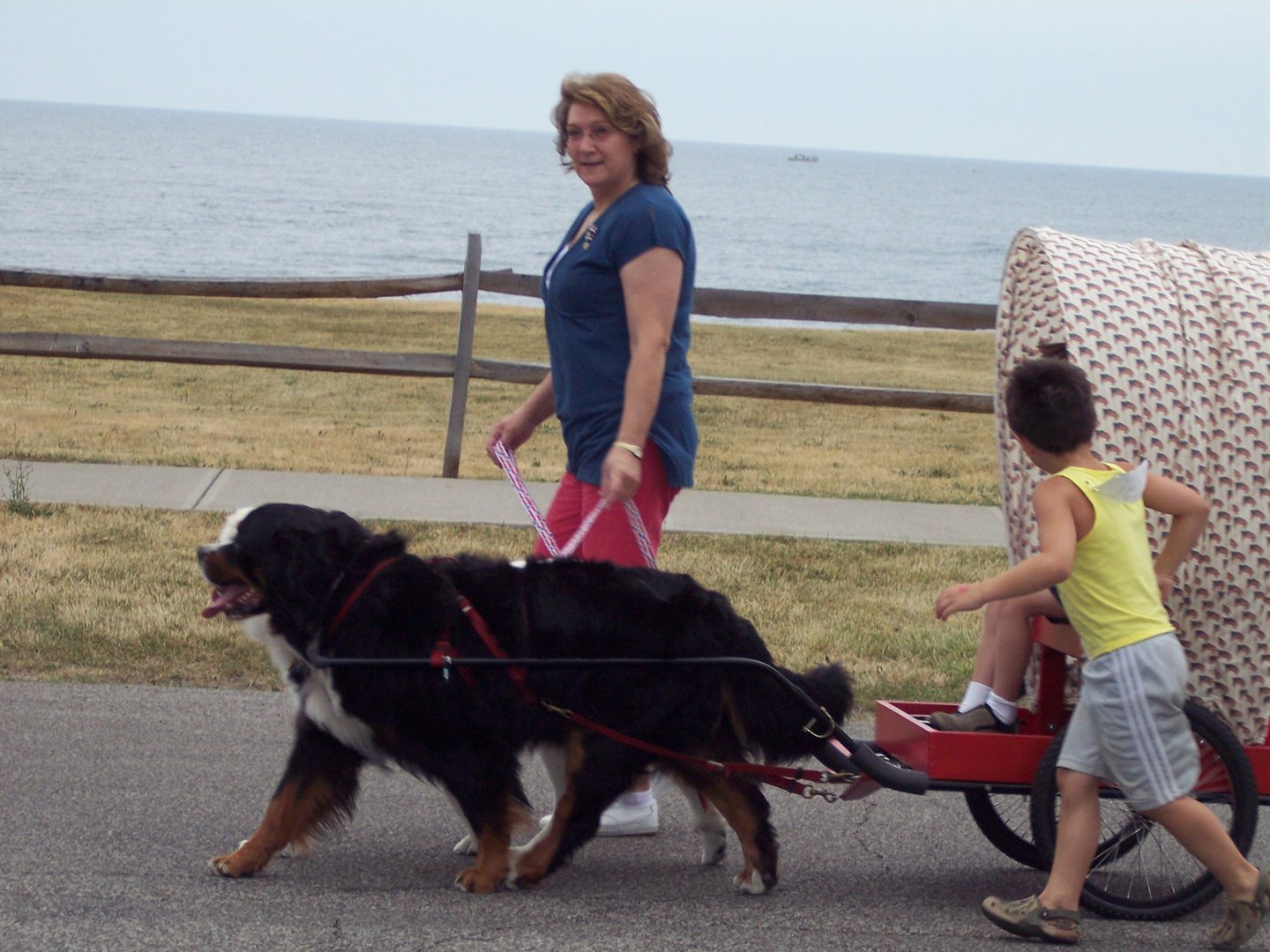
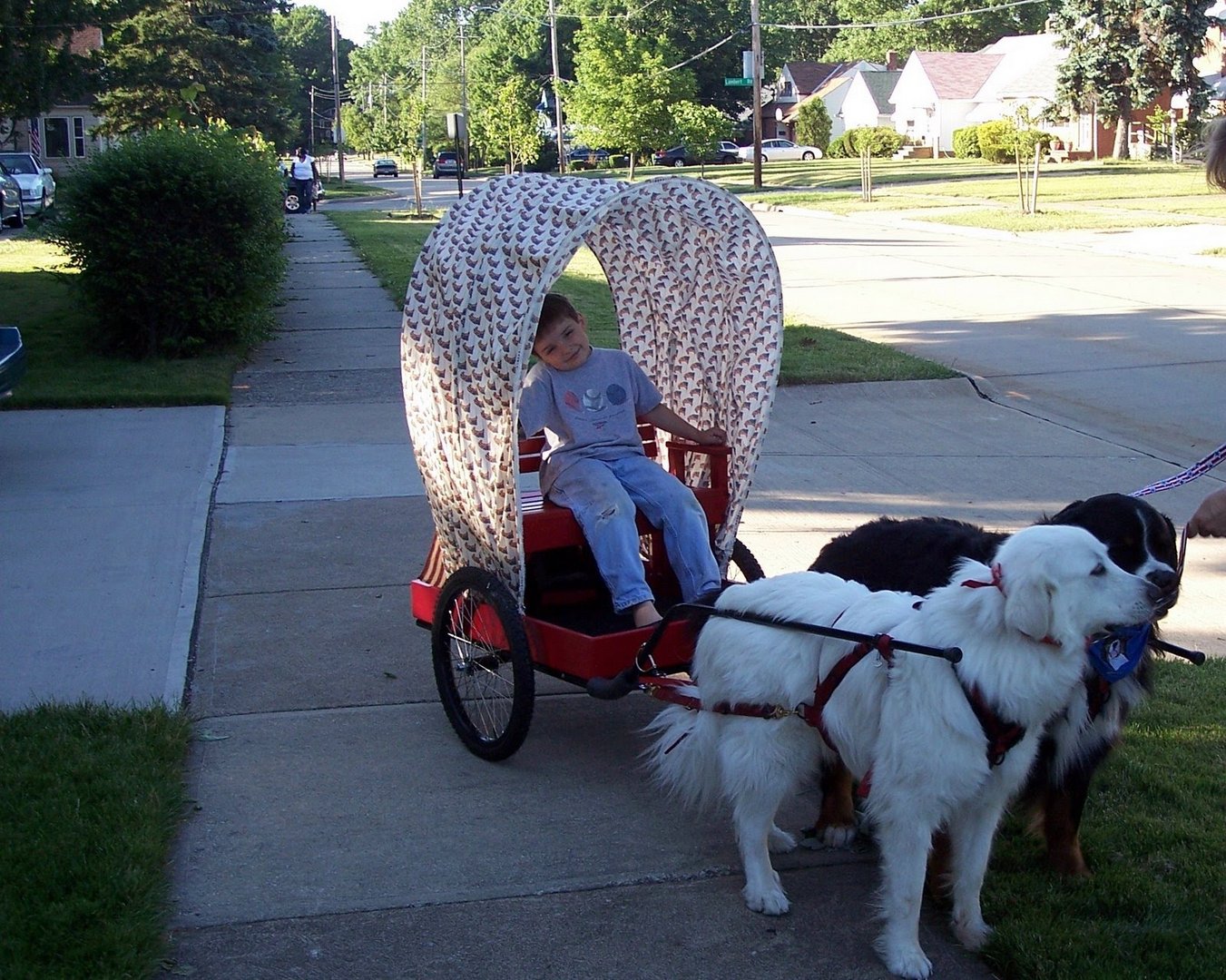
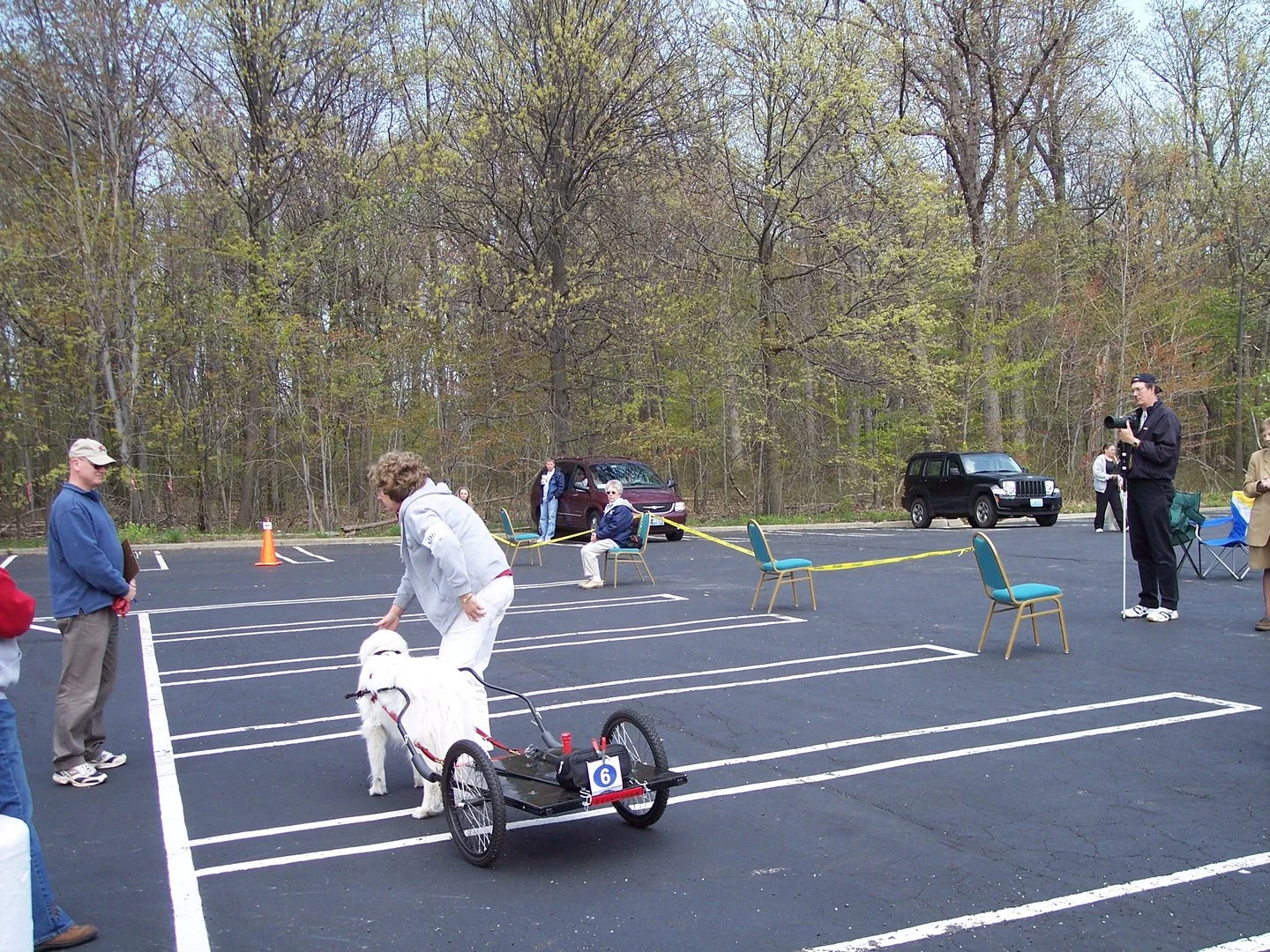
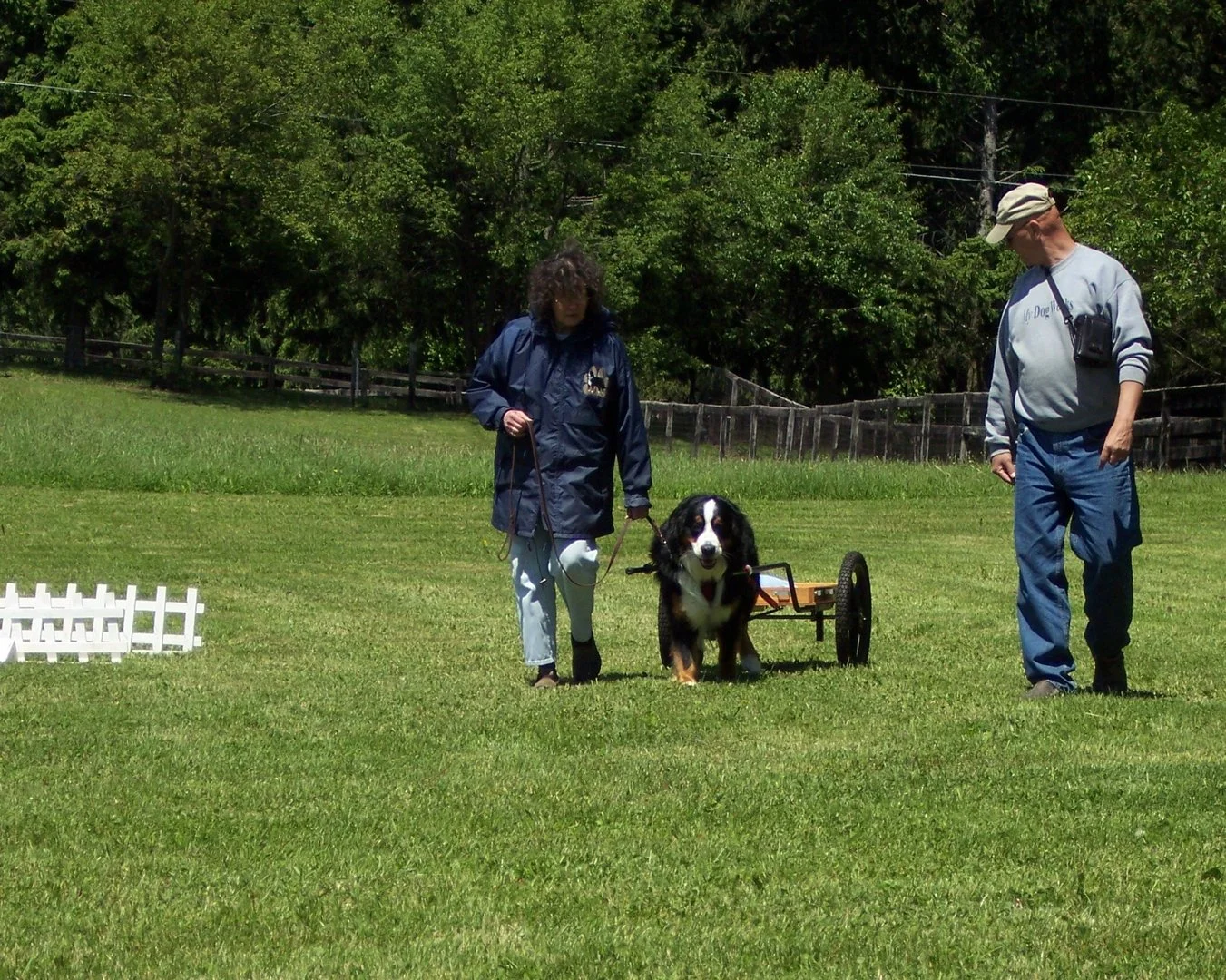
1. We learn how to pull a cart (after all, that's what we were bred to do):
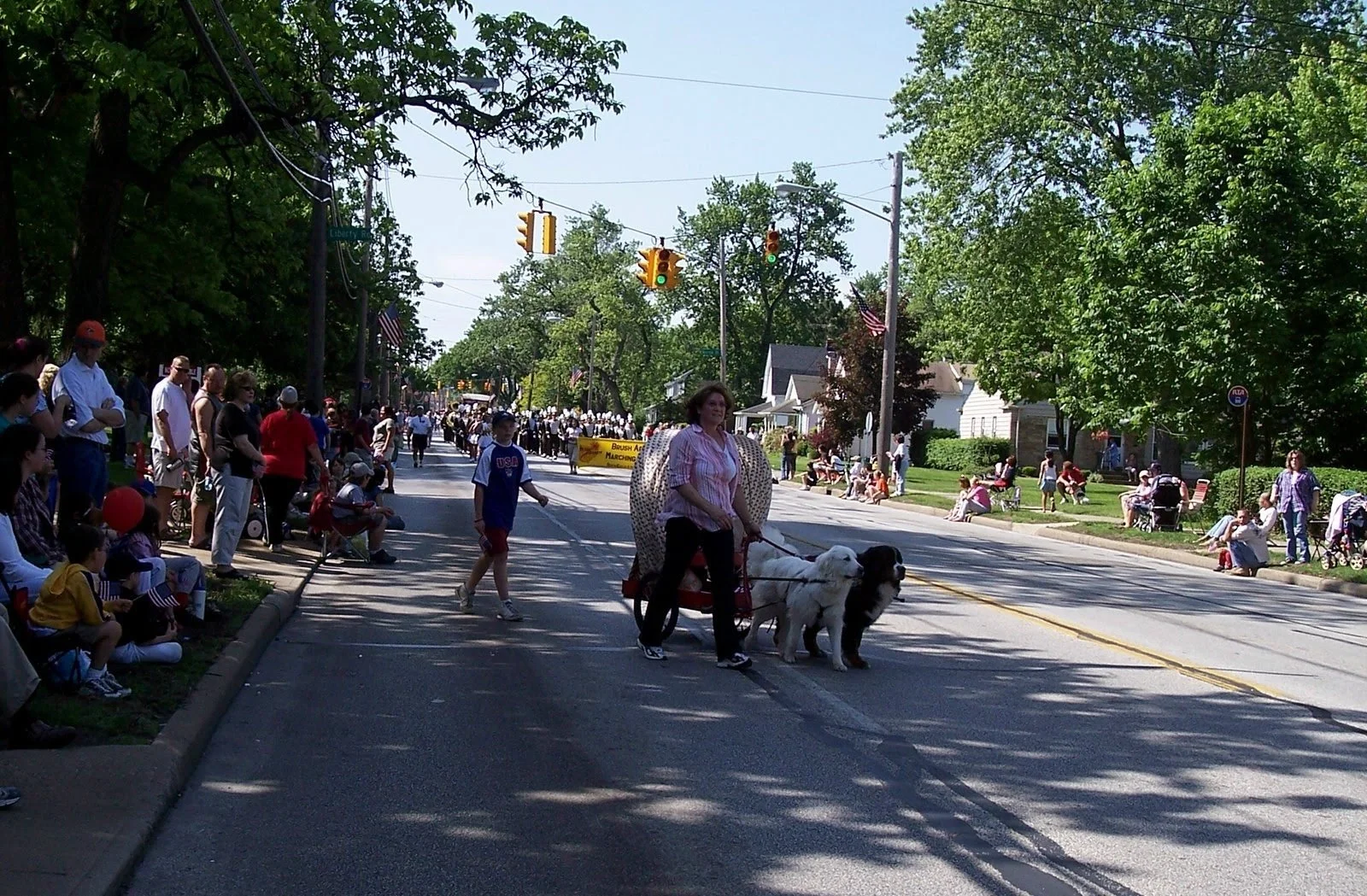
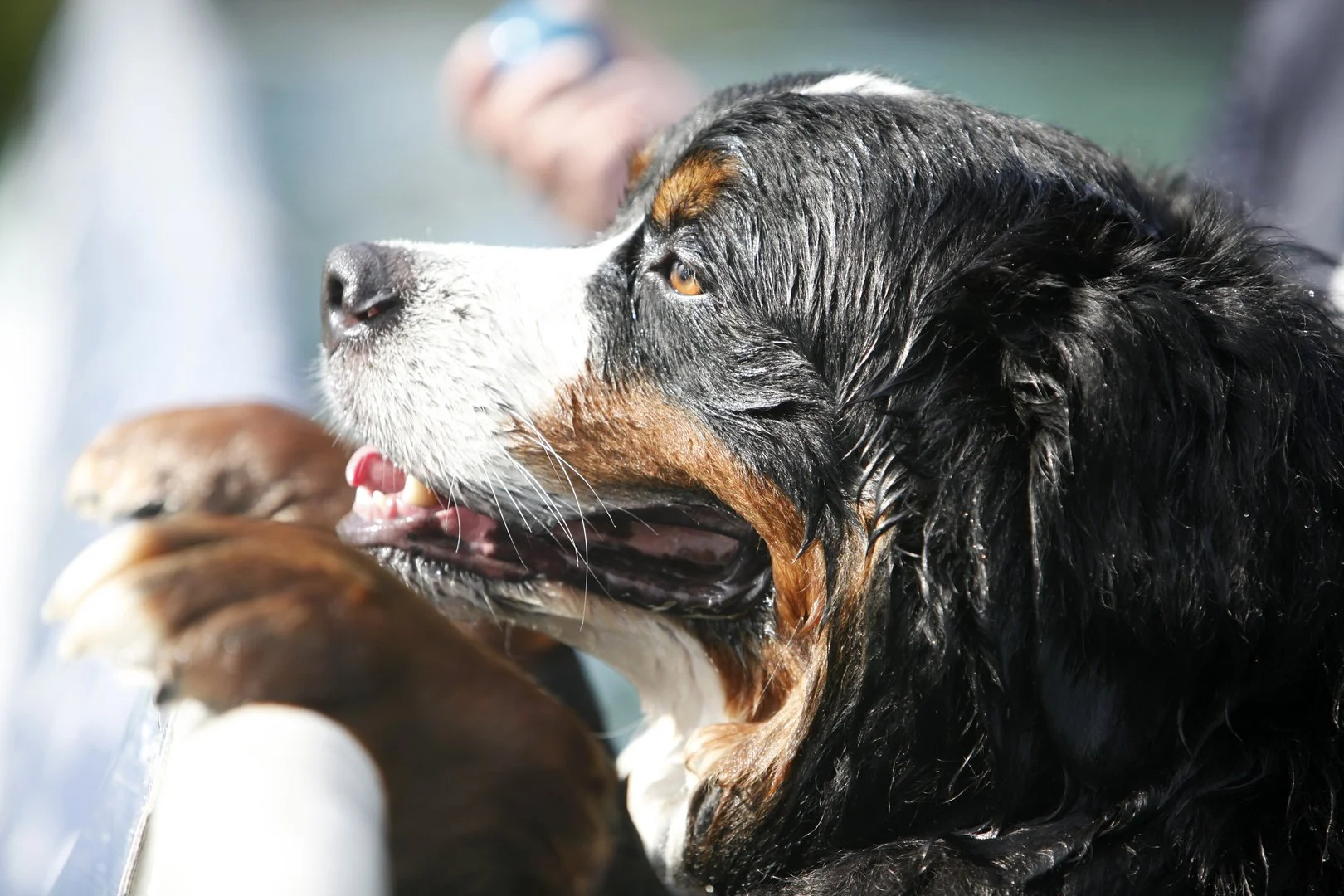
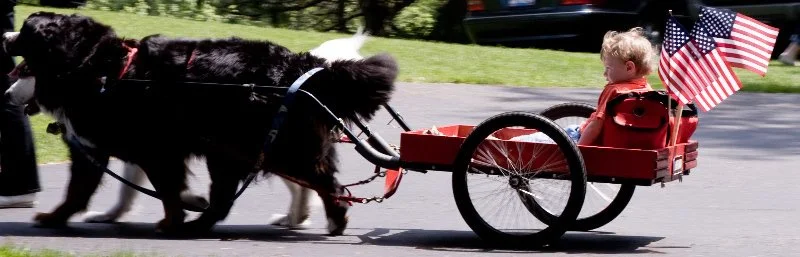
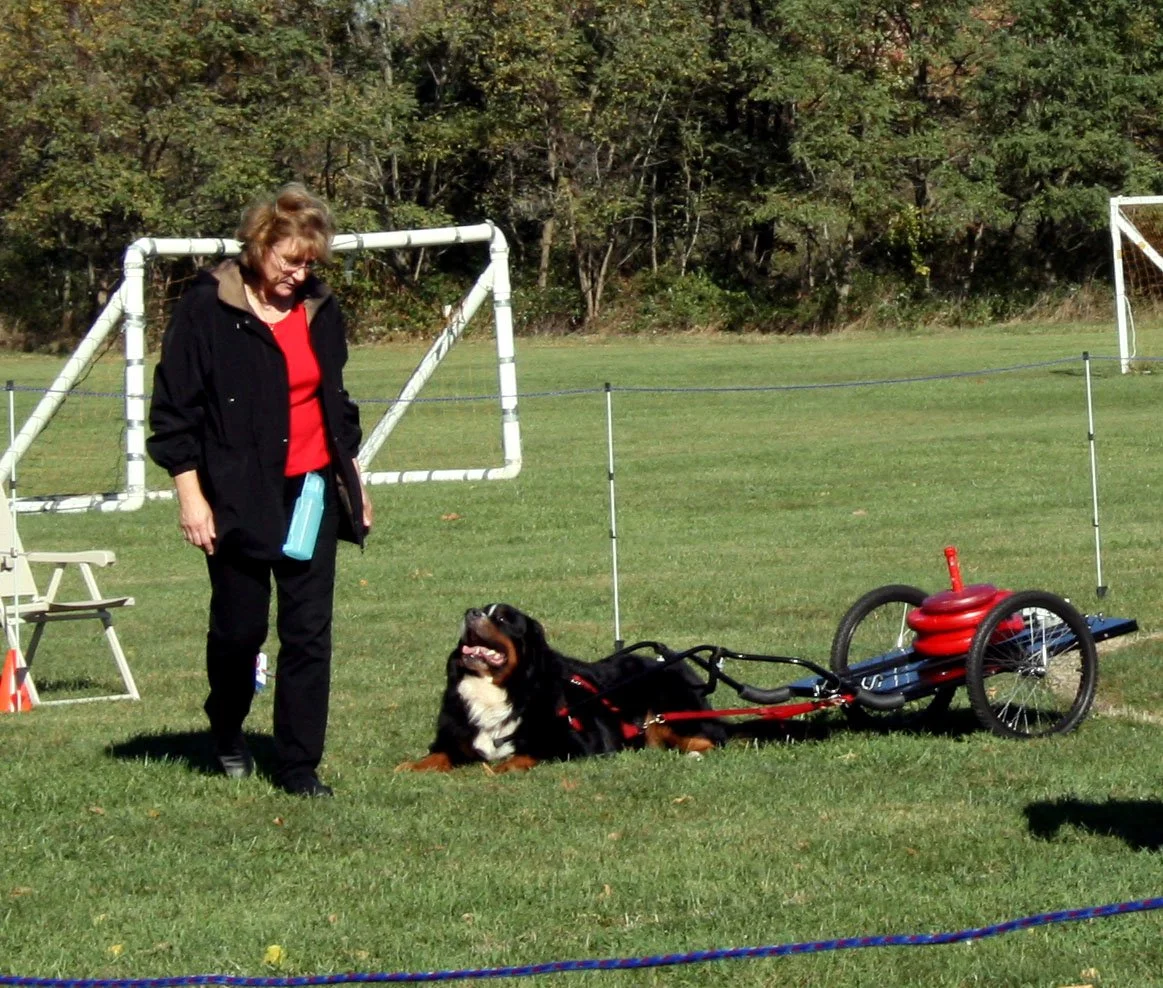
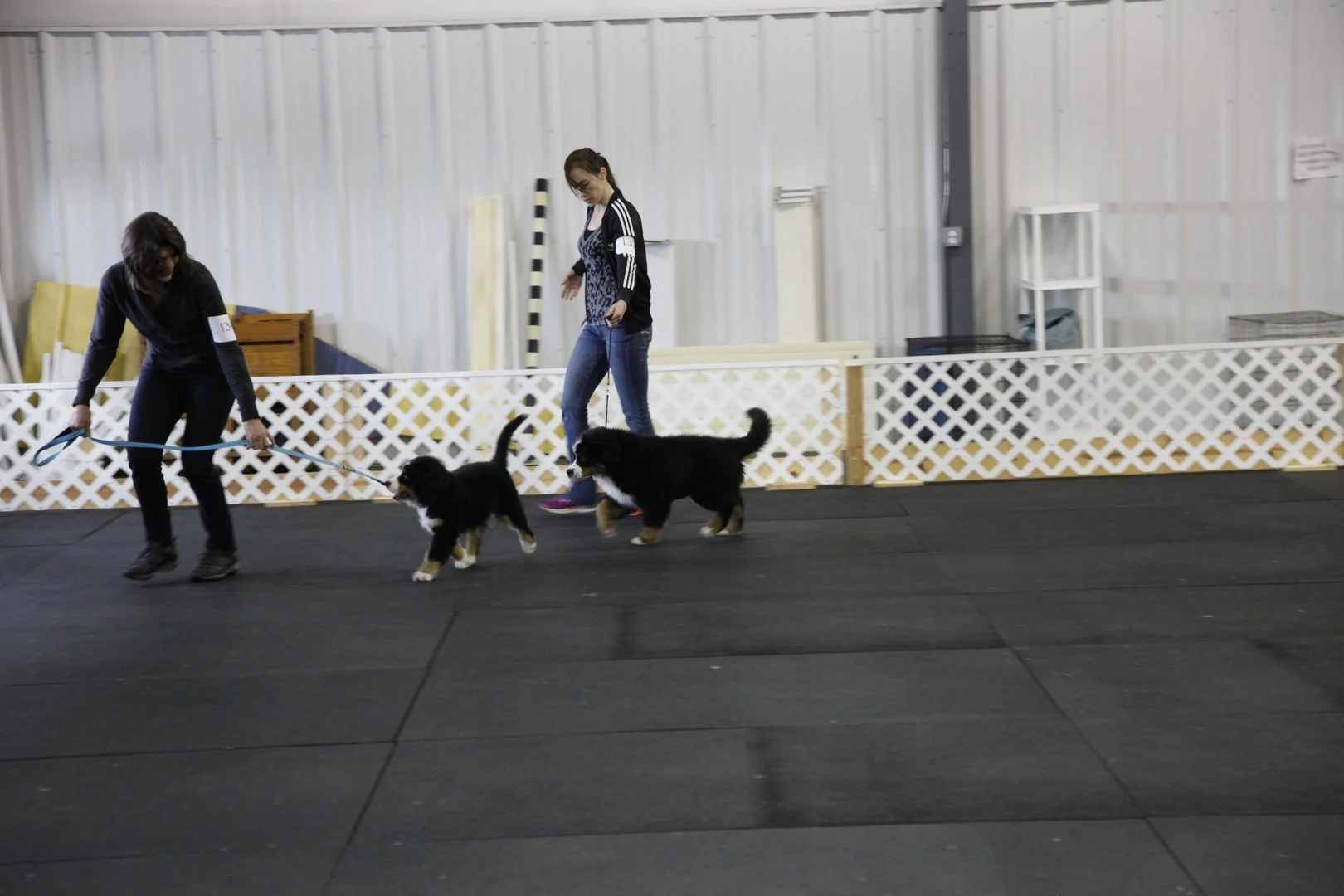
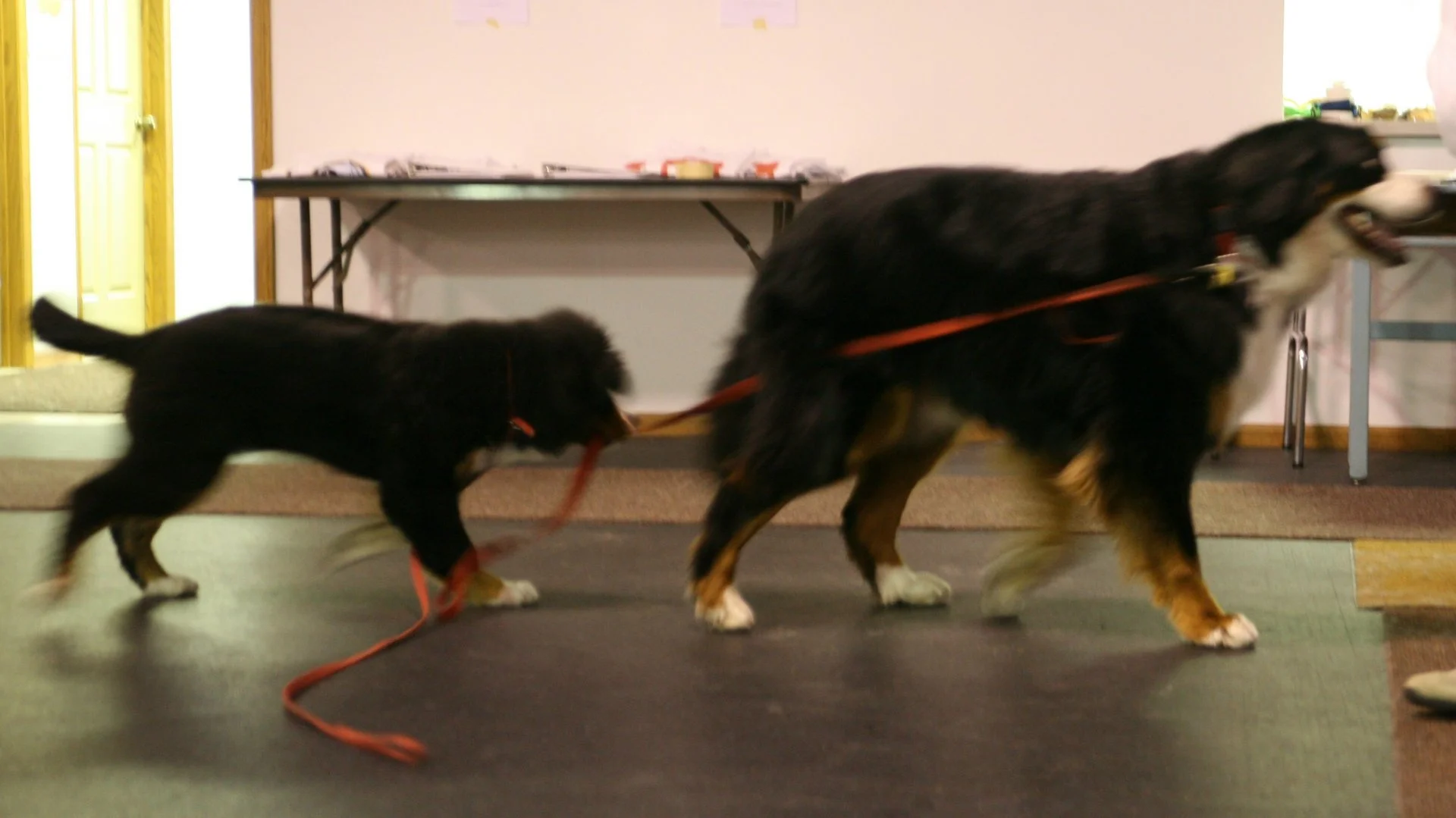
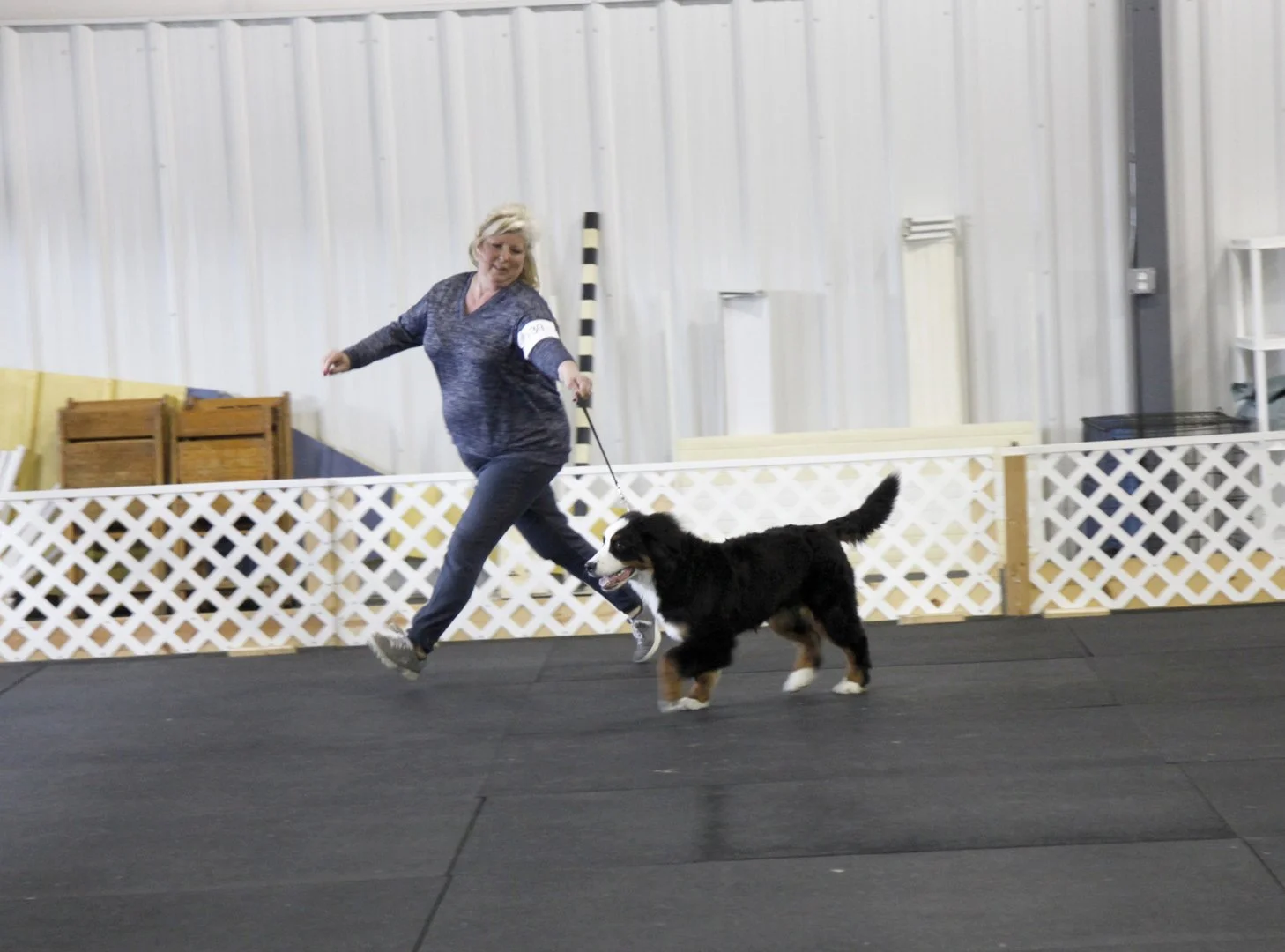
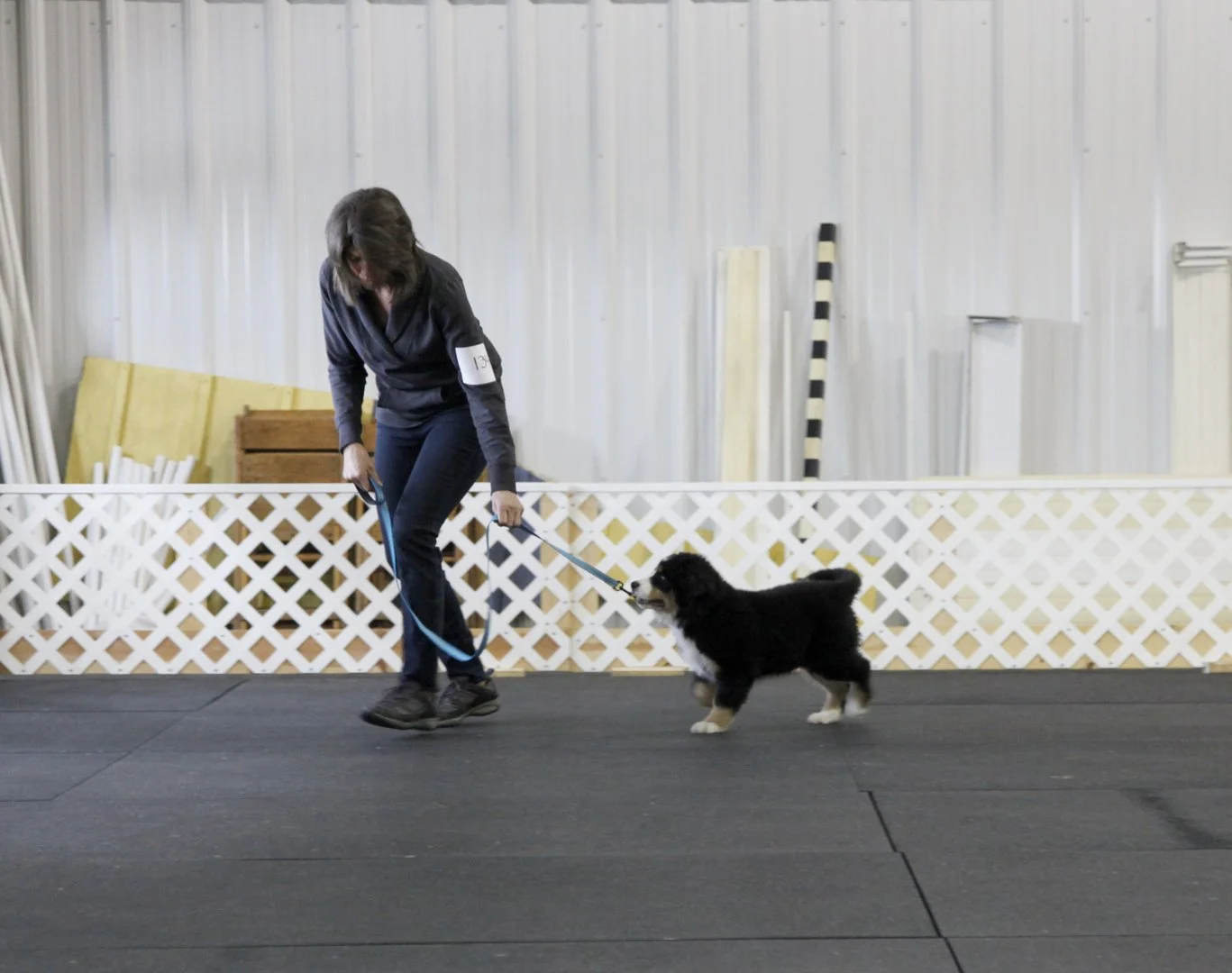
2. We get our first ring exposure when we do the puppy match:
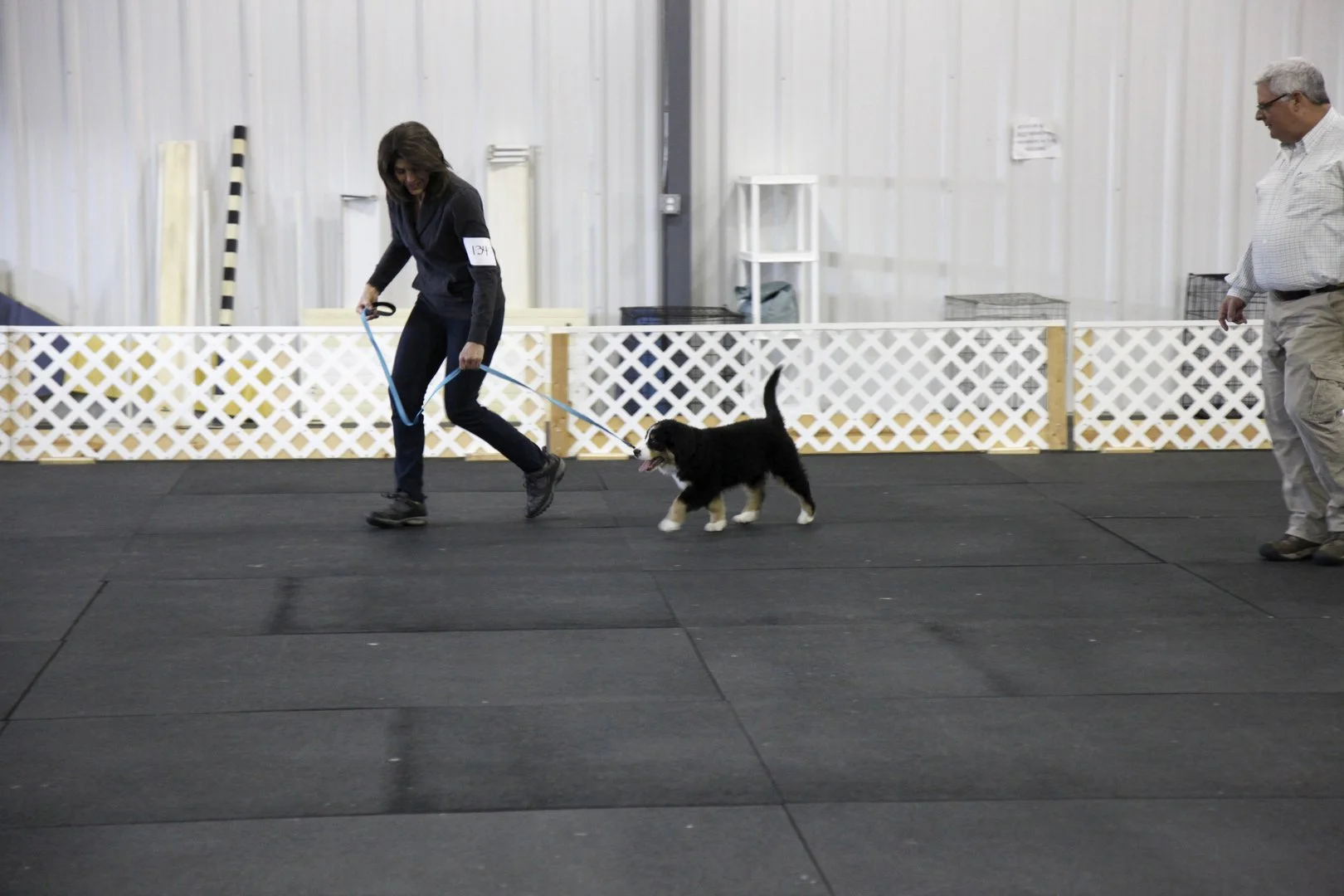
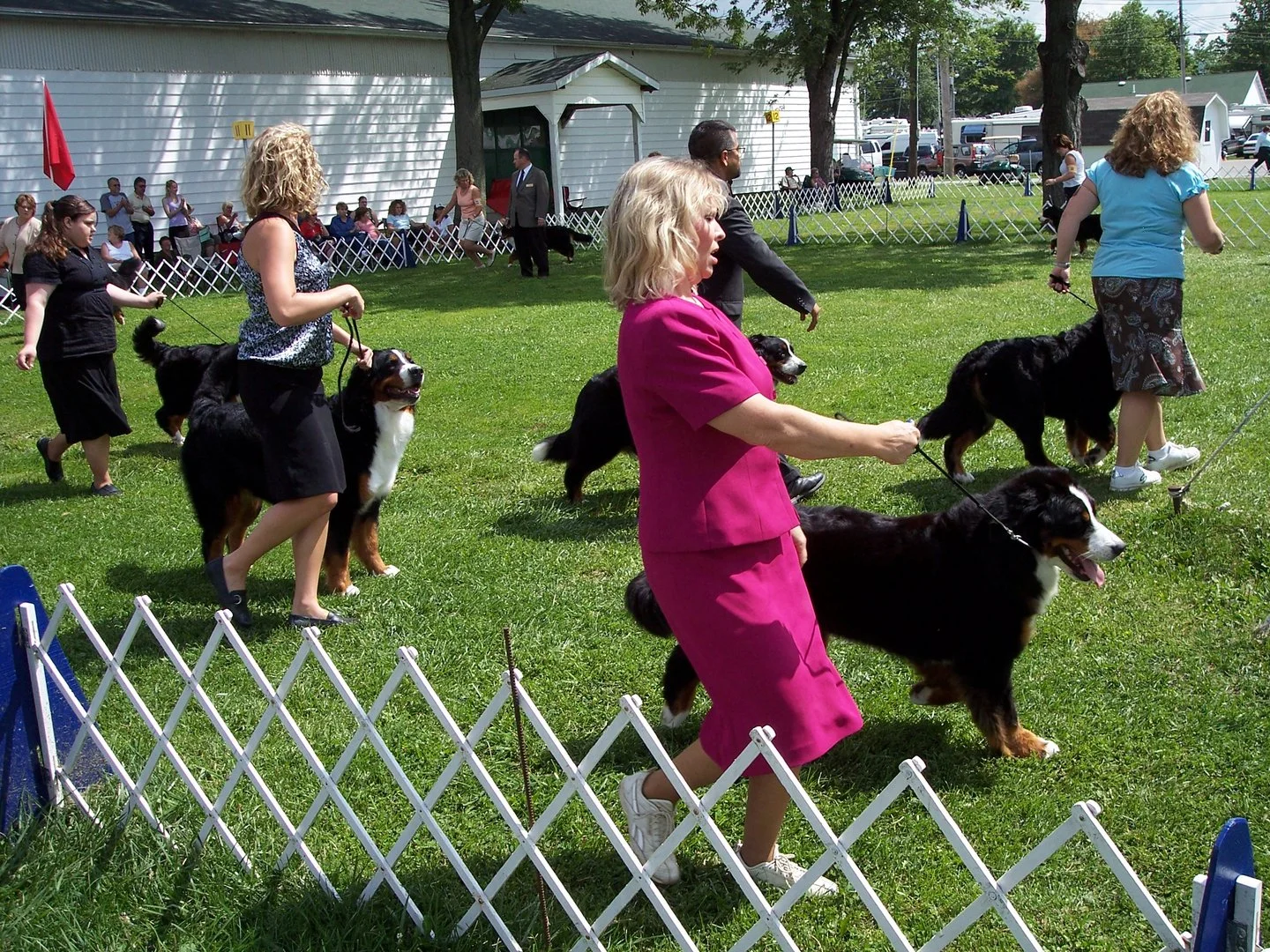
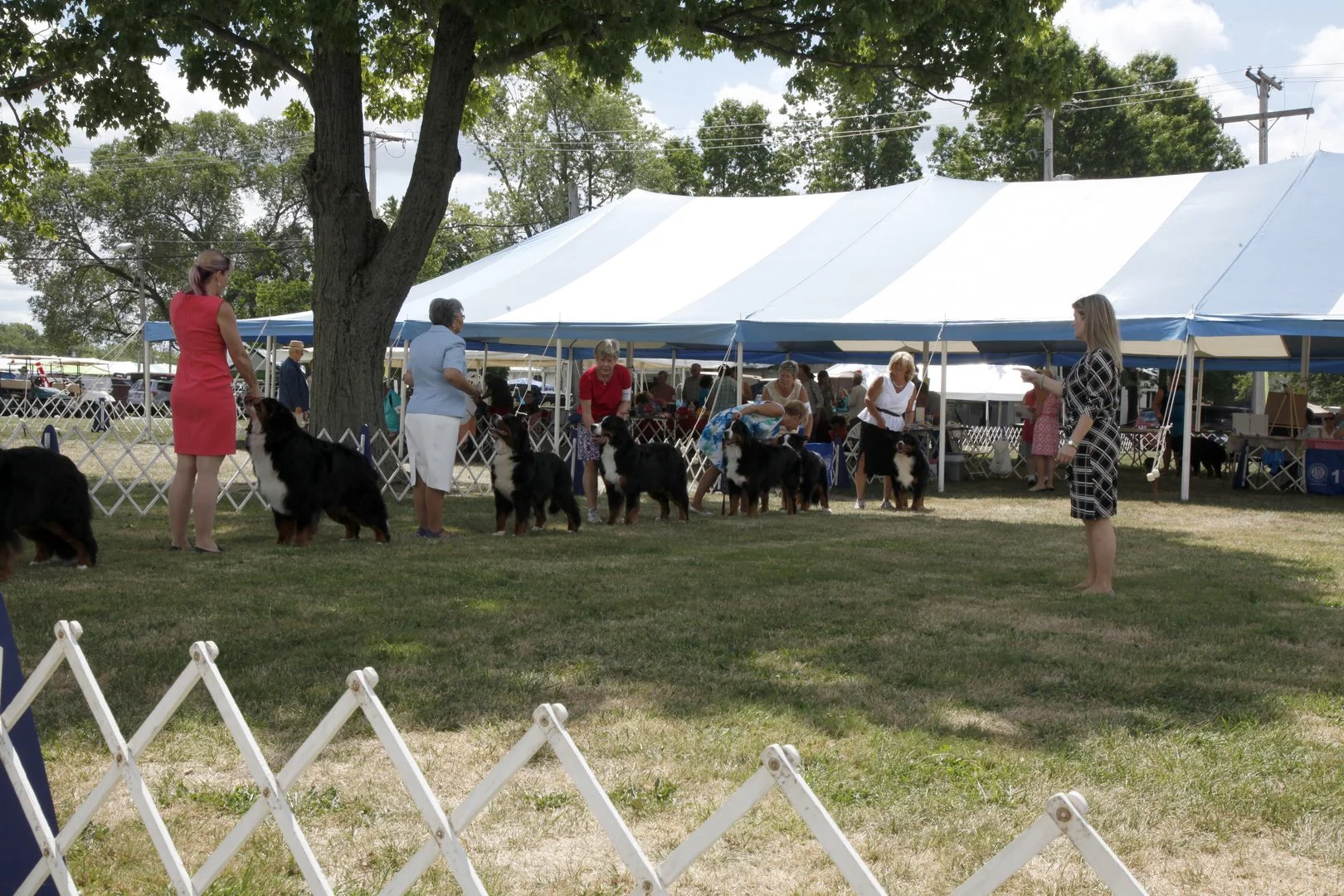
3. We look awesome during confirmation exhibitions:
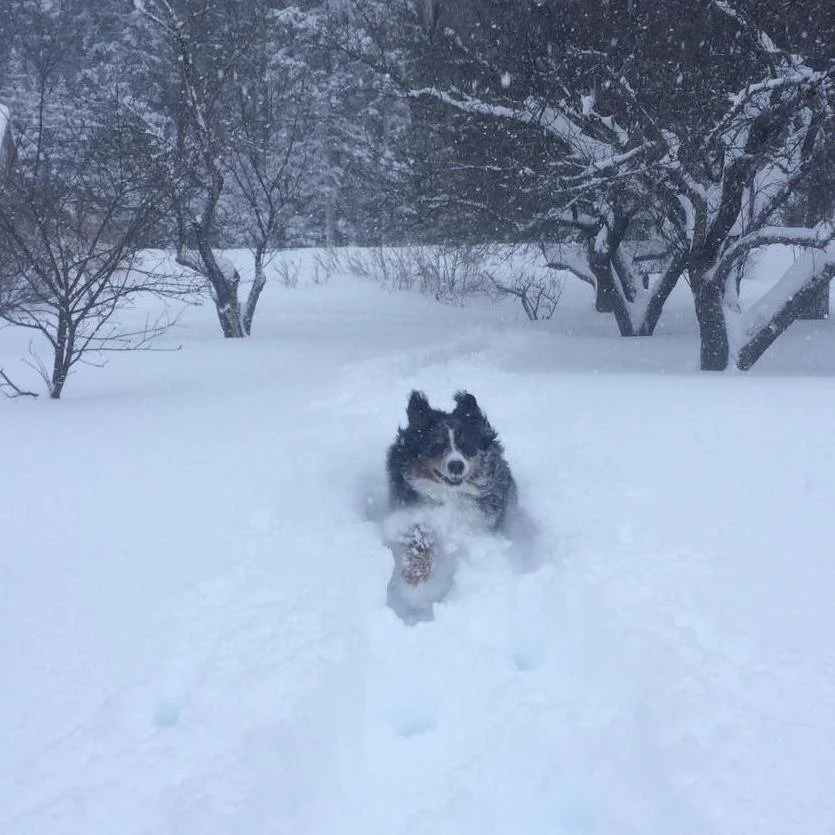
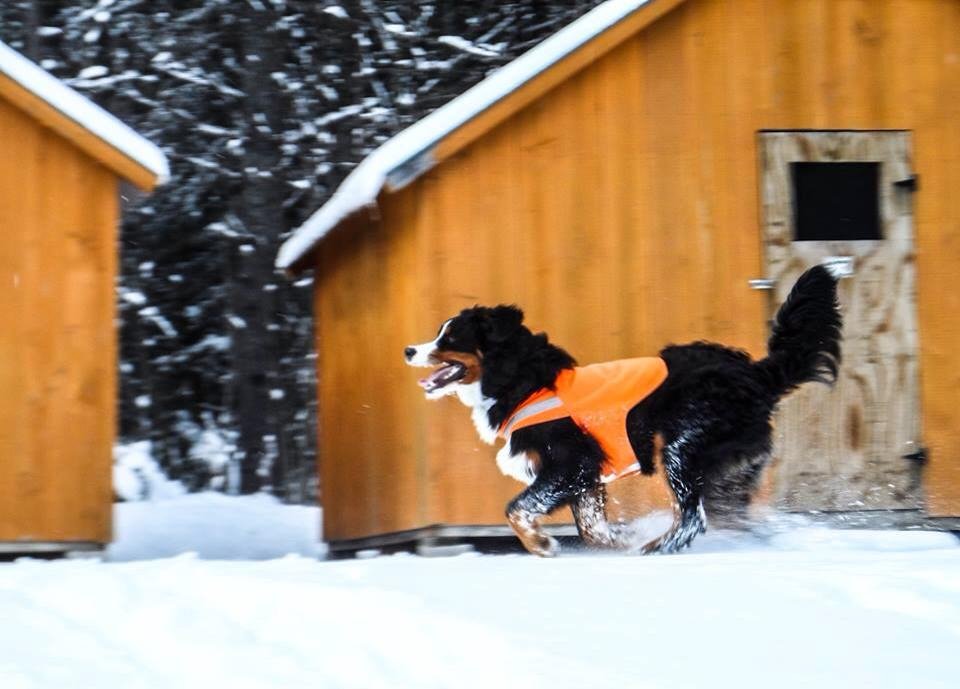
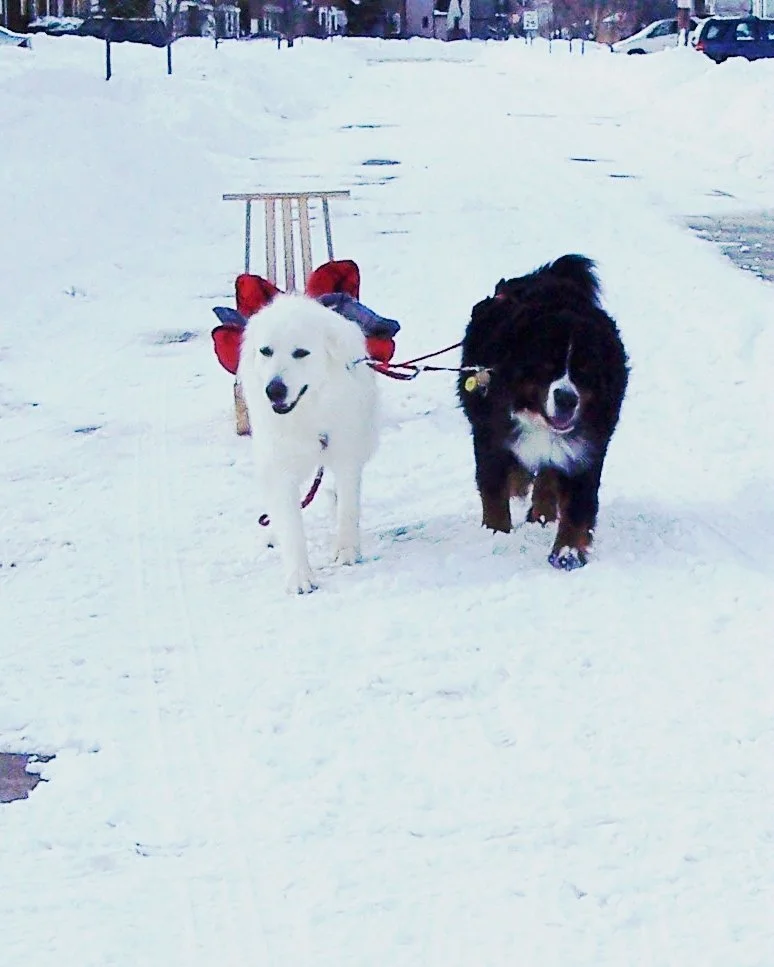
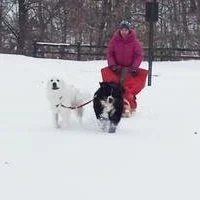
7. We go sledding and play in the snow:
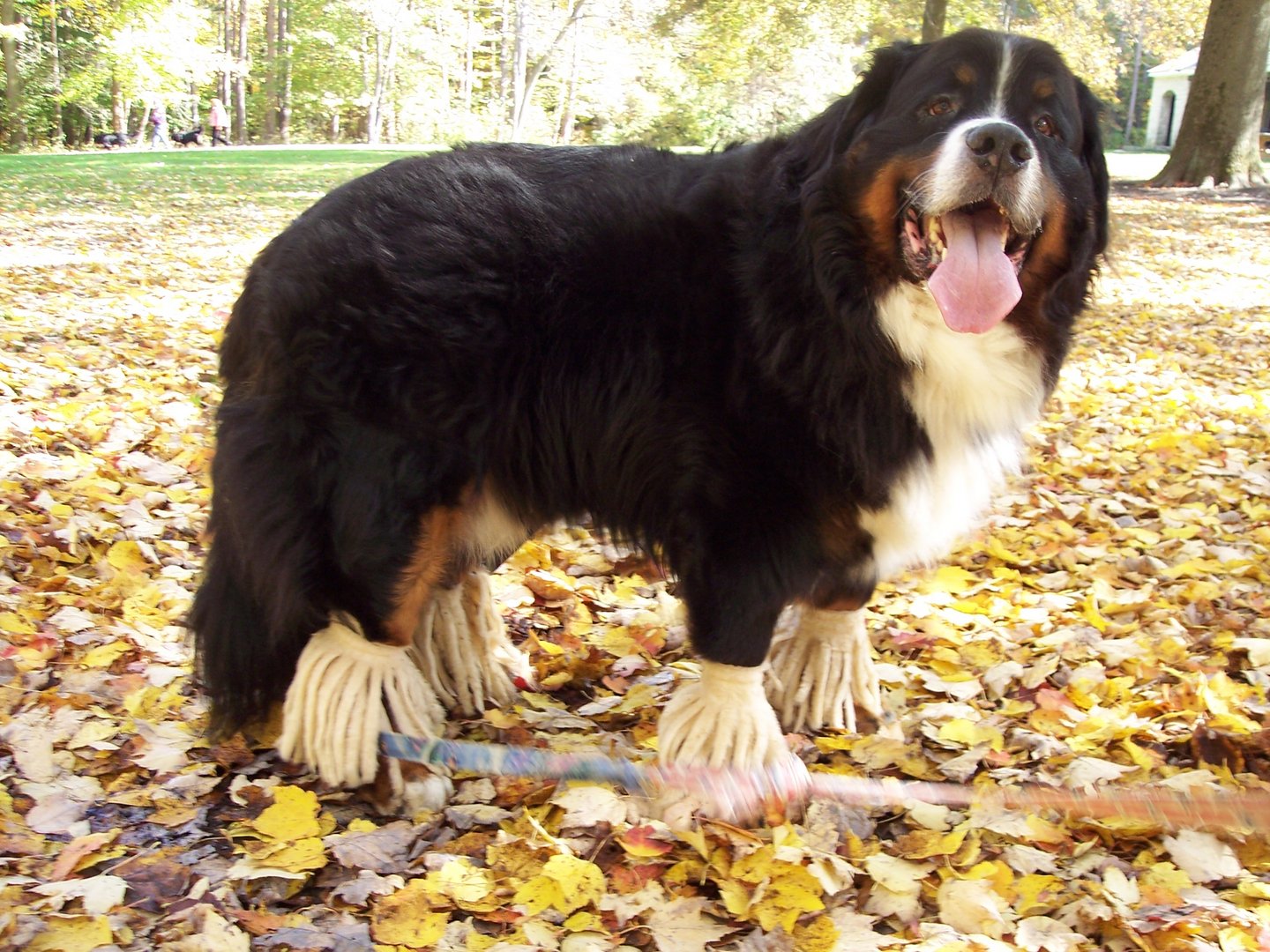
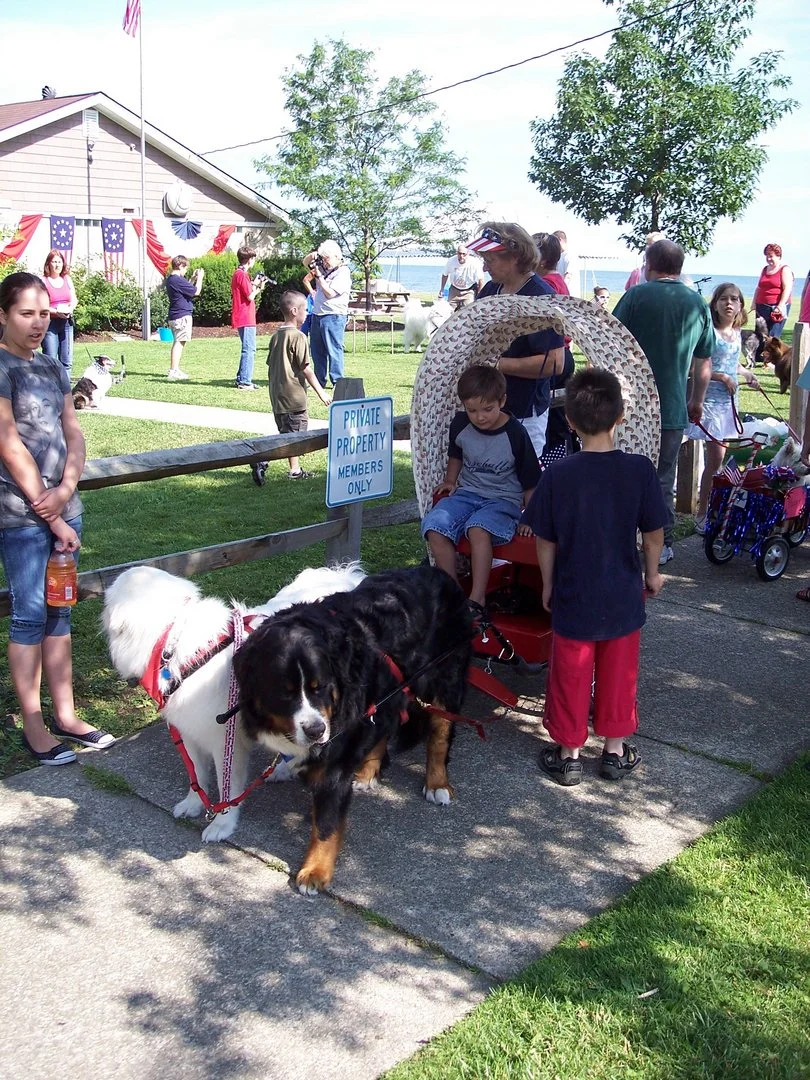
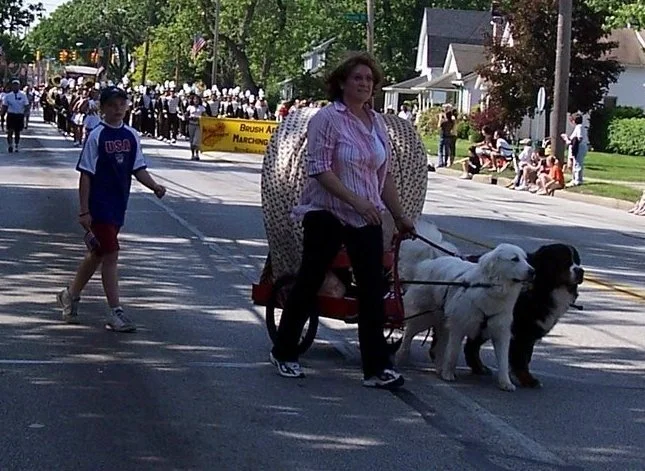
8. We participate in parades (Memorial Day, July 4th and Christmas):
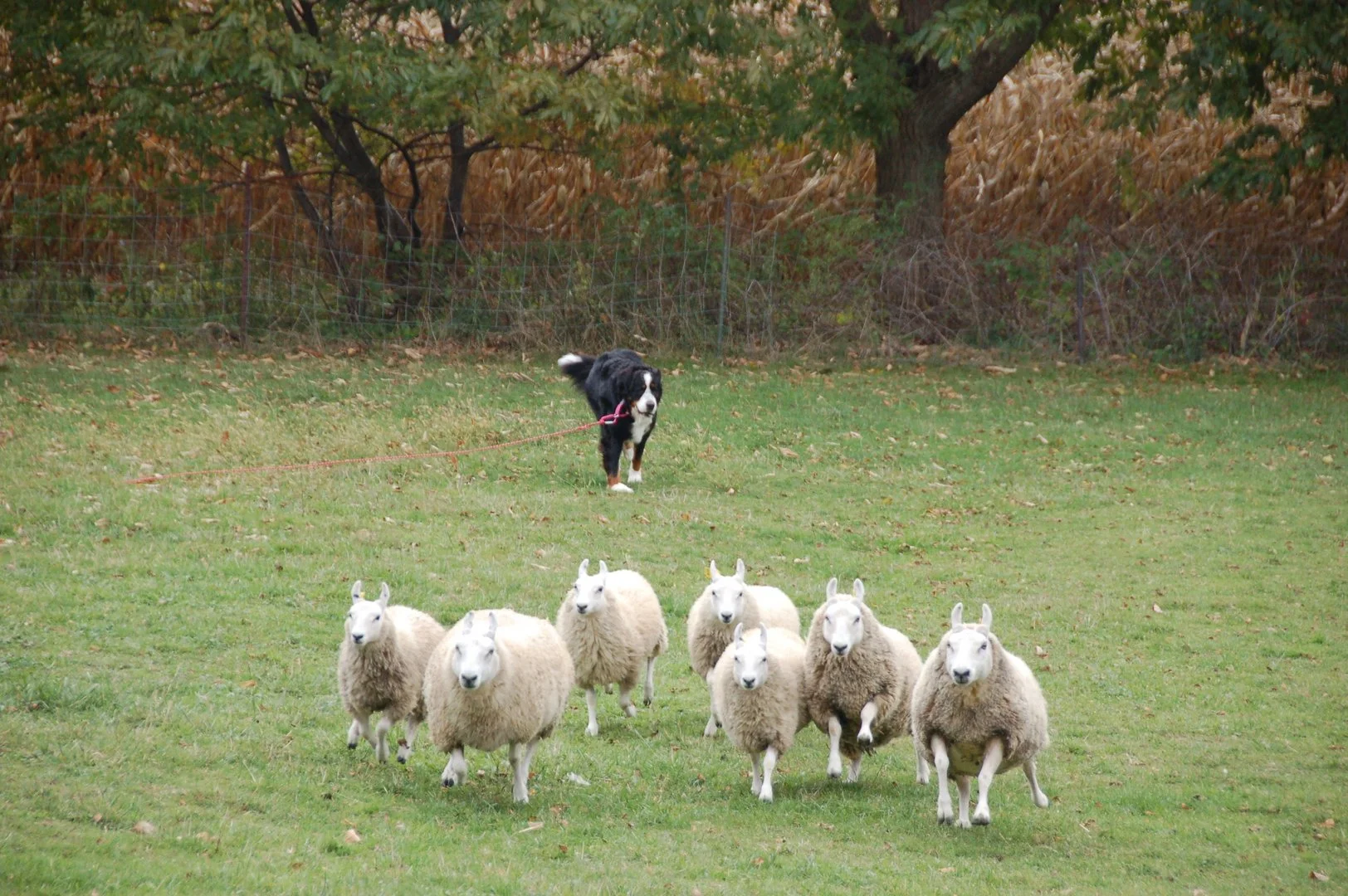
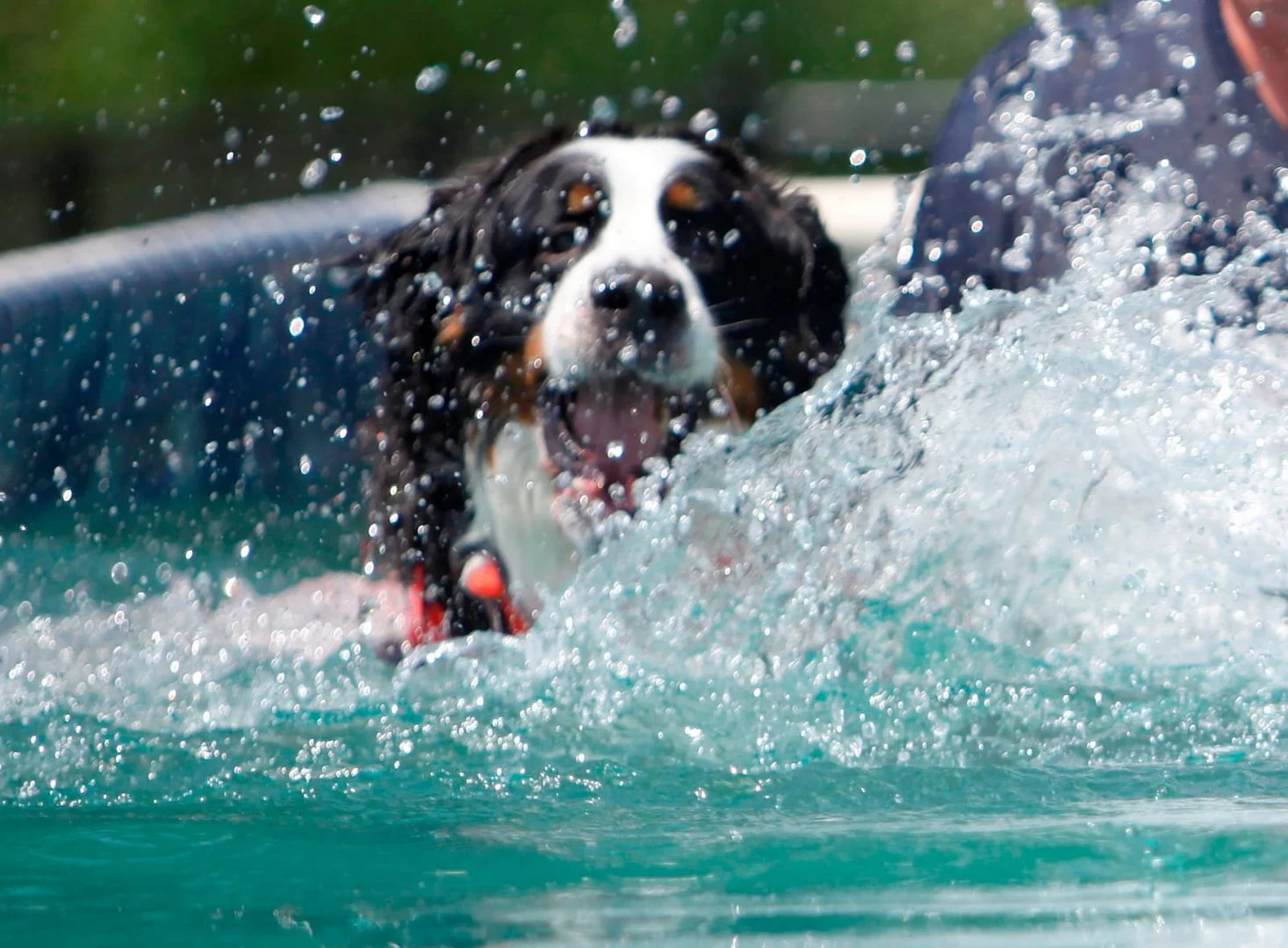
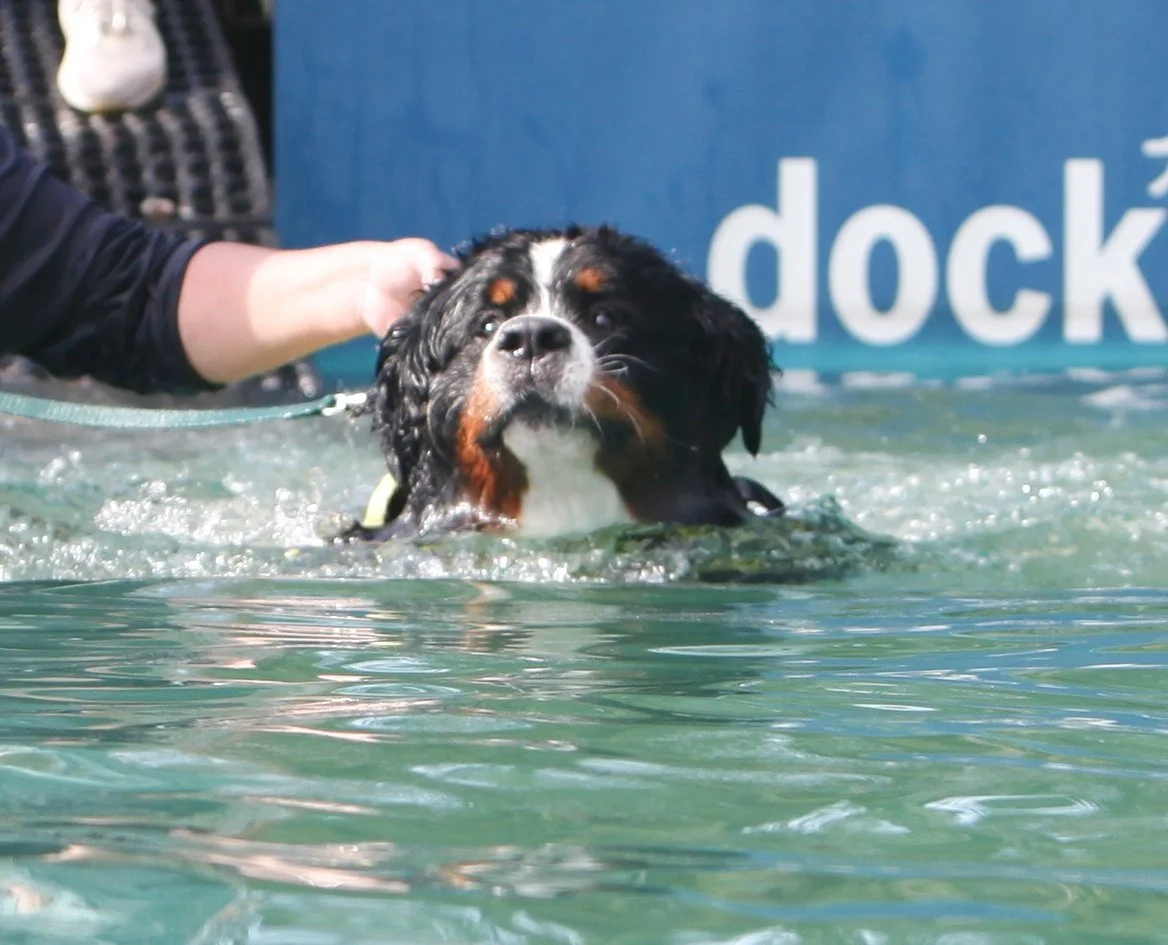
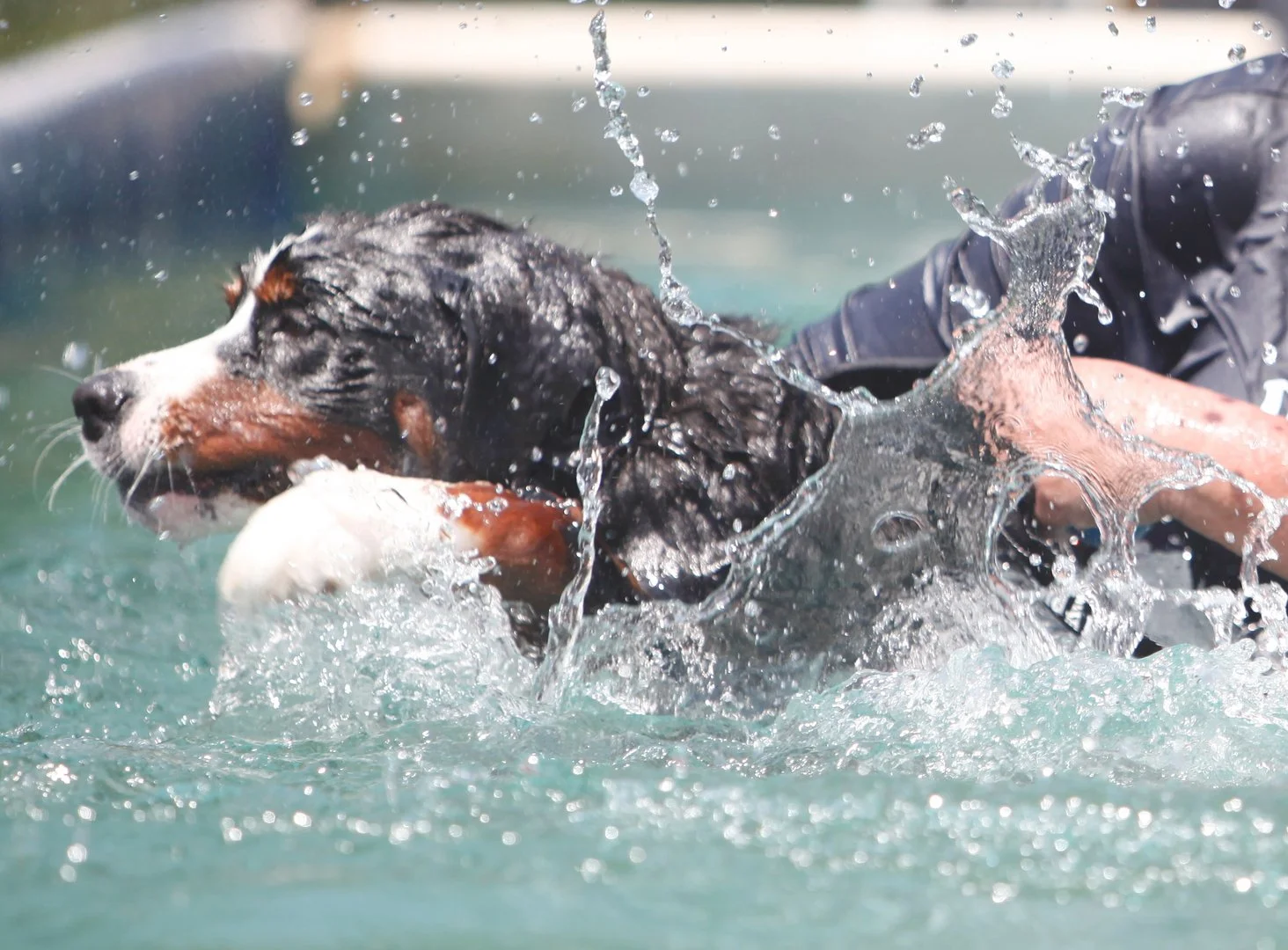
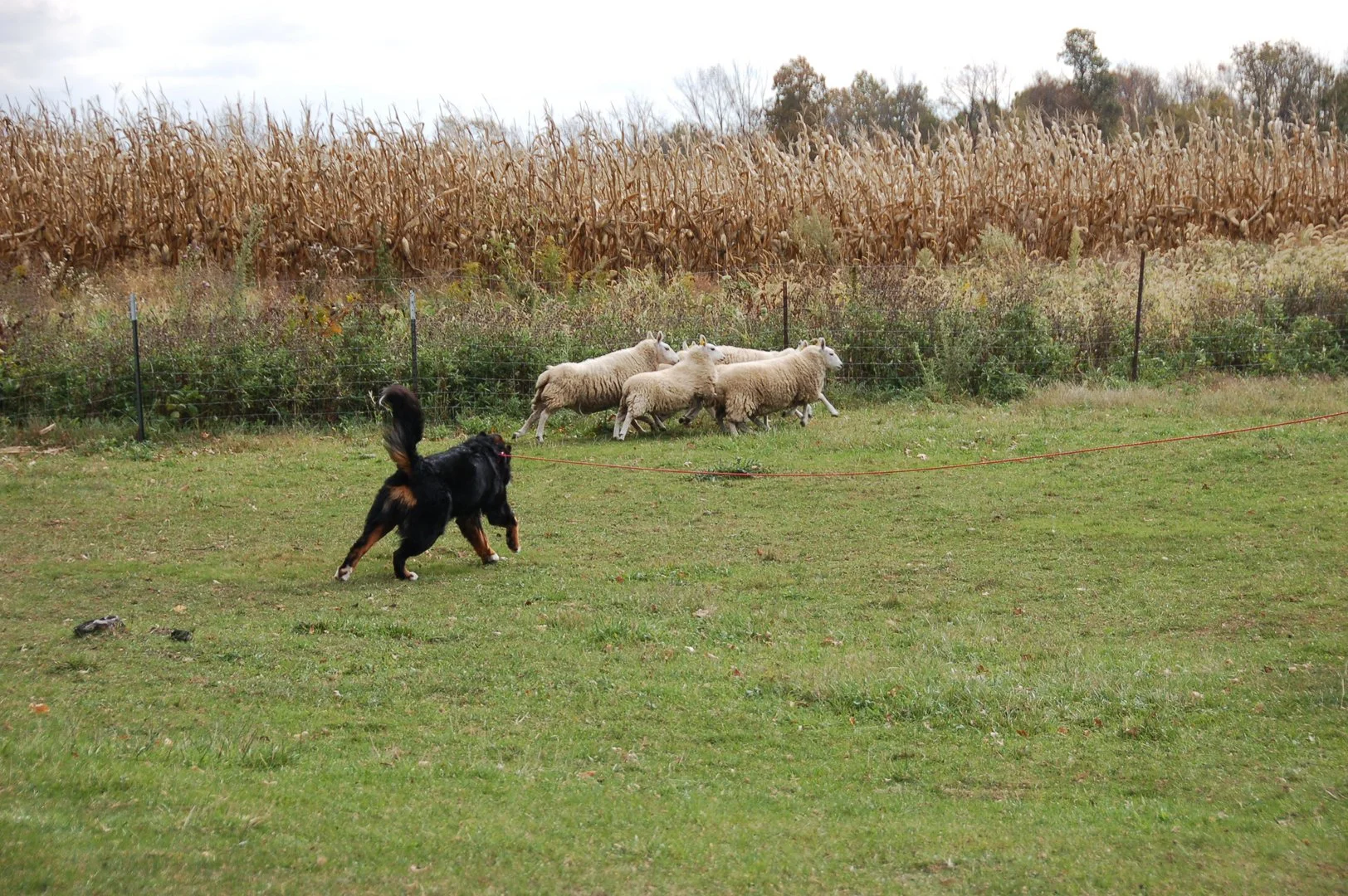
9. We try our talents with herding and dock diving:
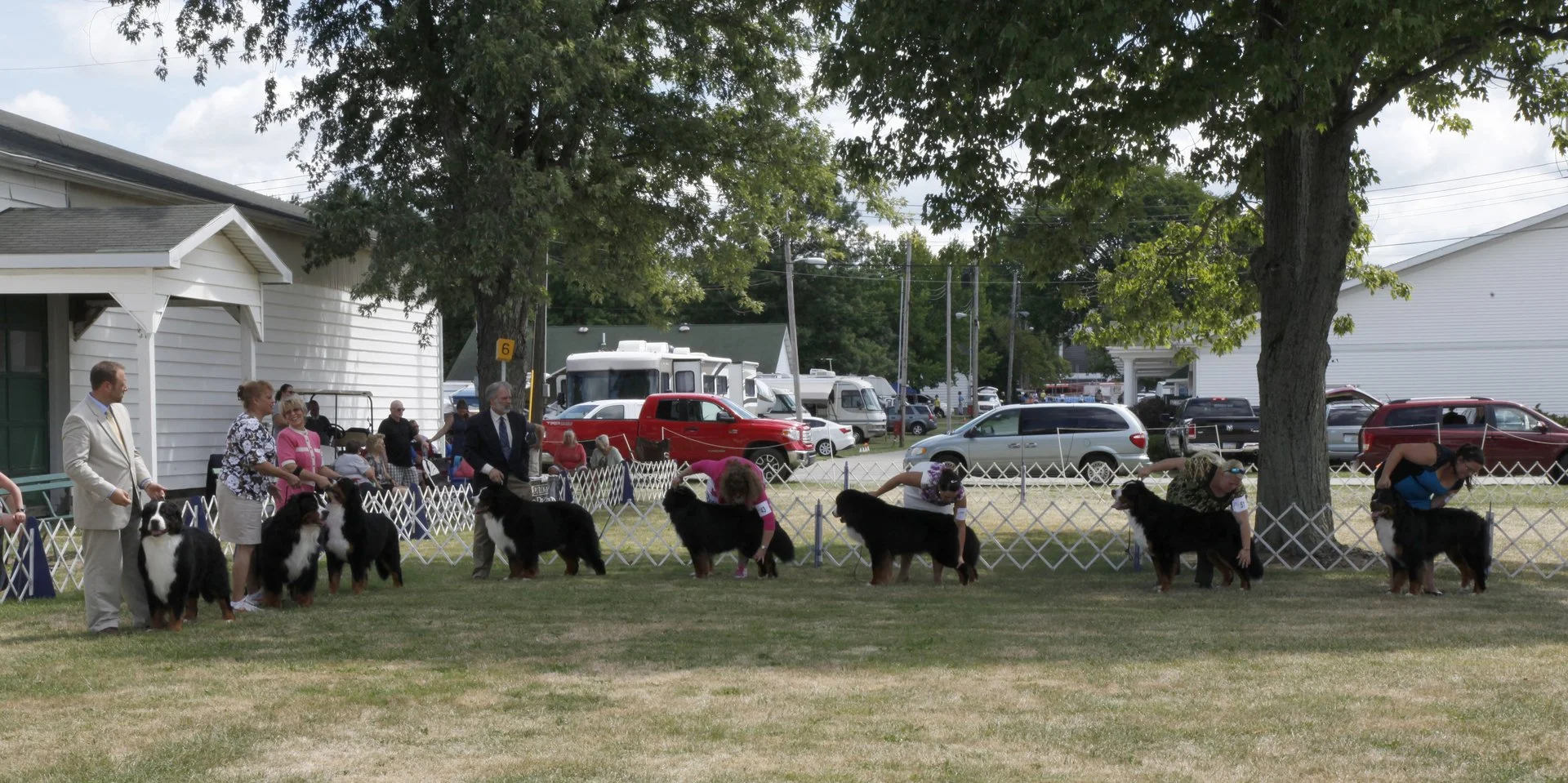
4. Or, we try to be serious and focused in the obedience ring and agility:
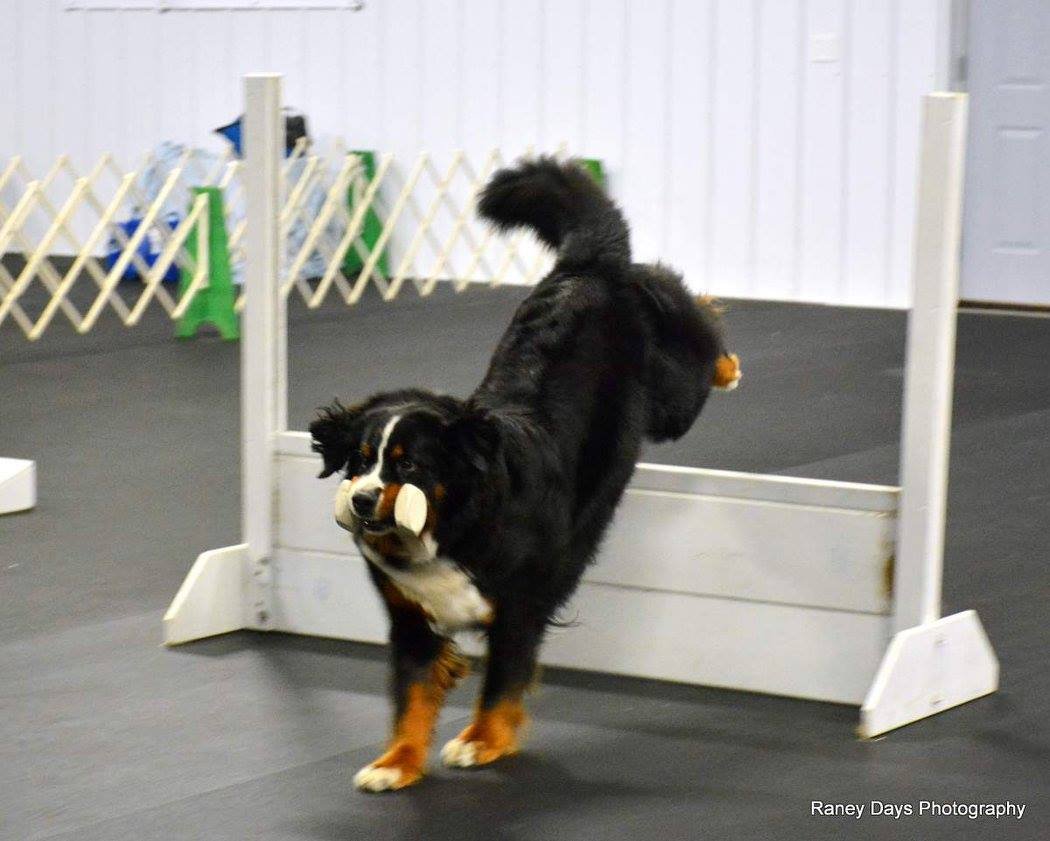
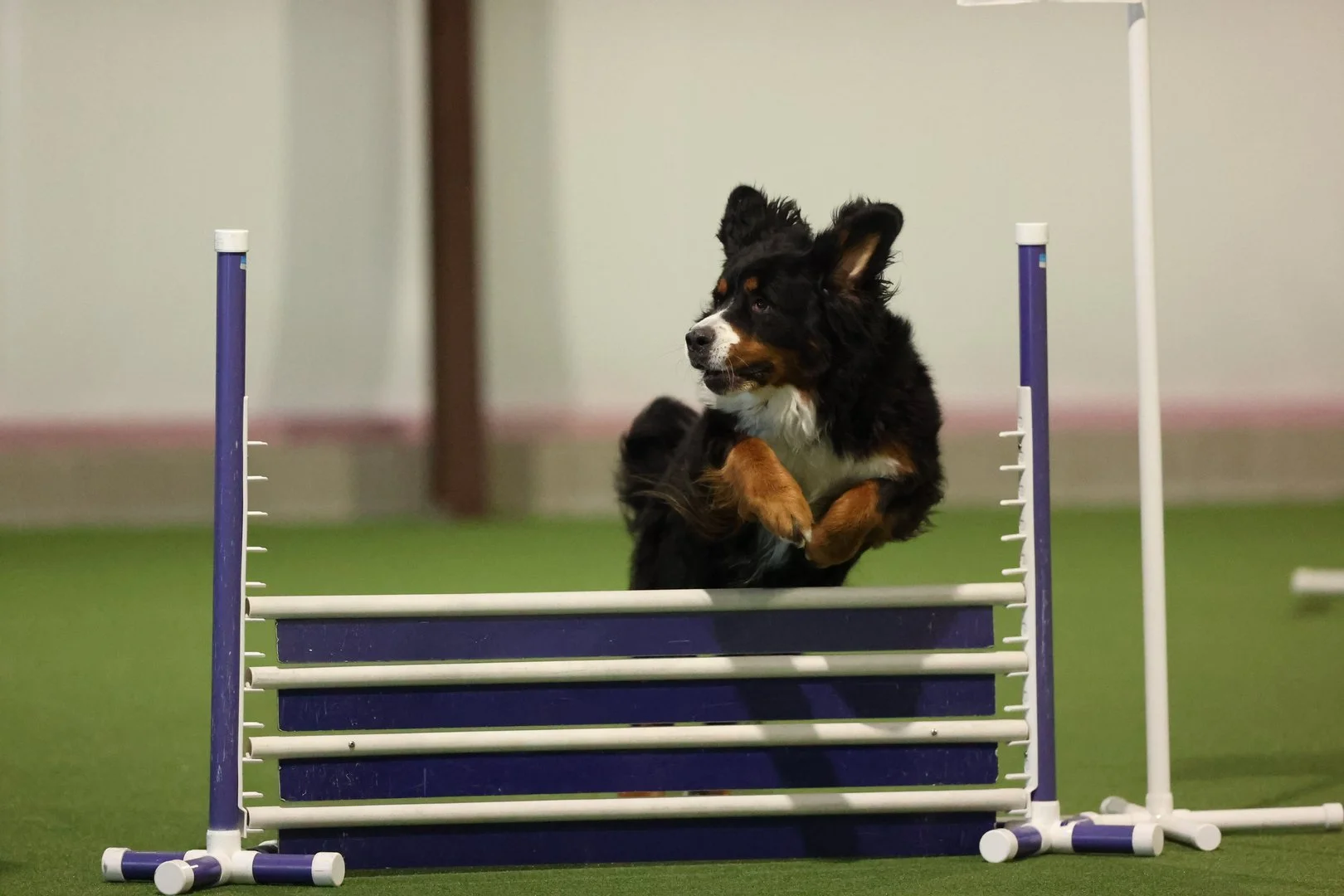
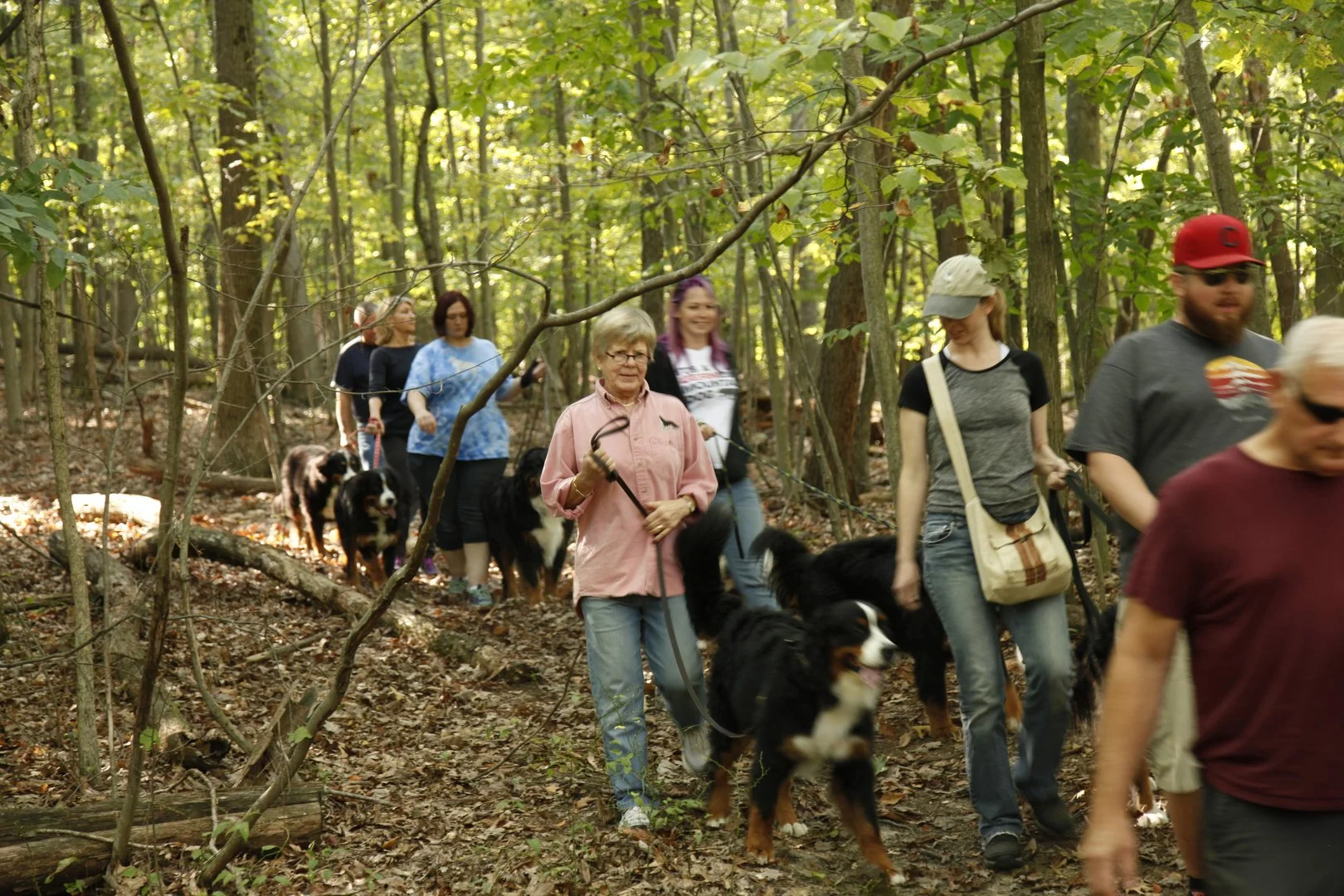
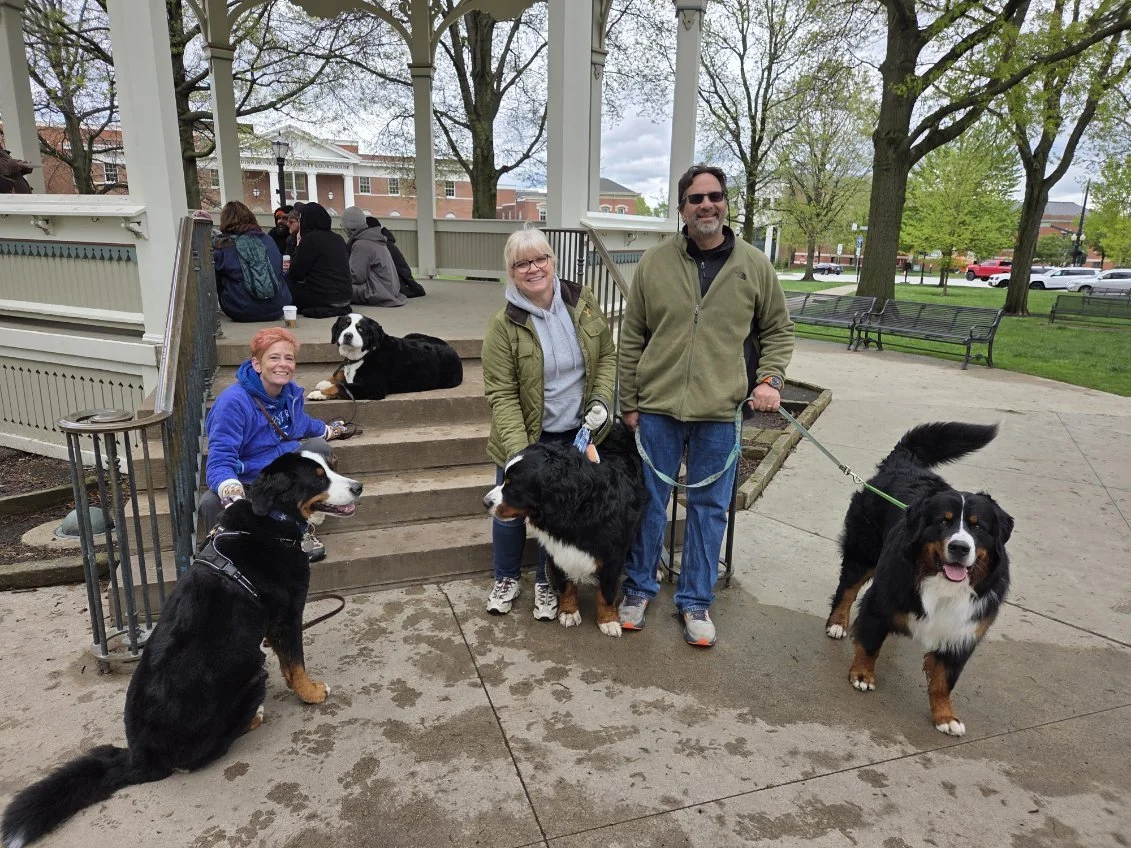
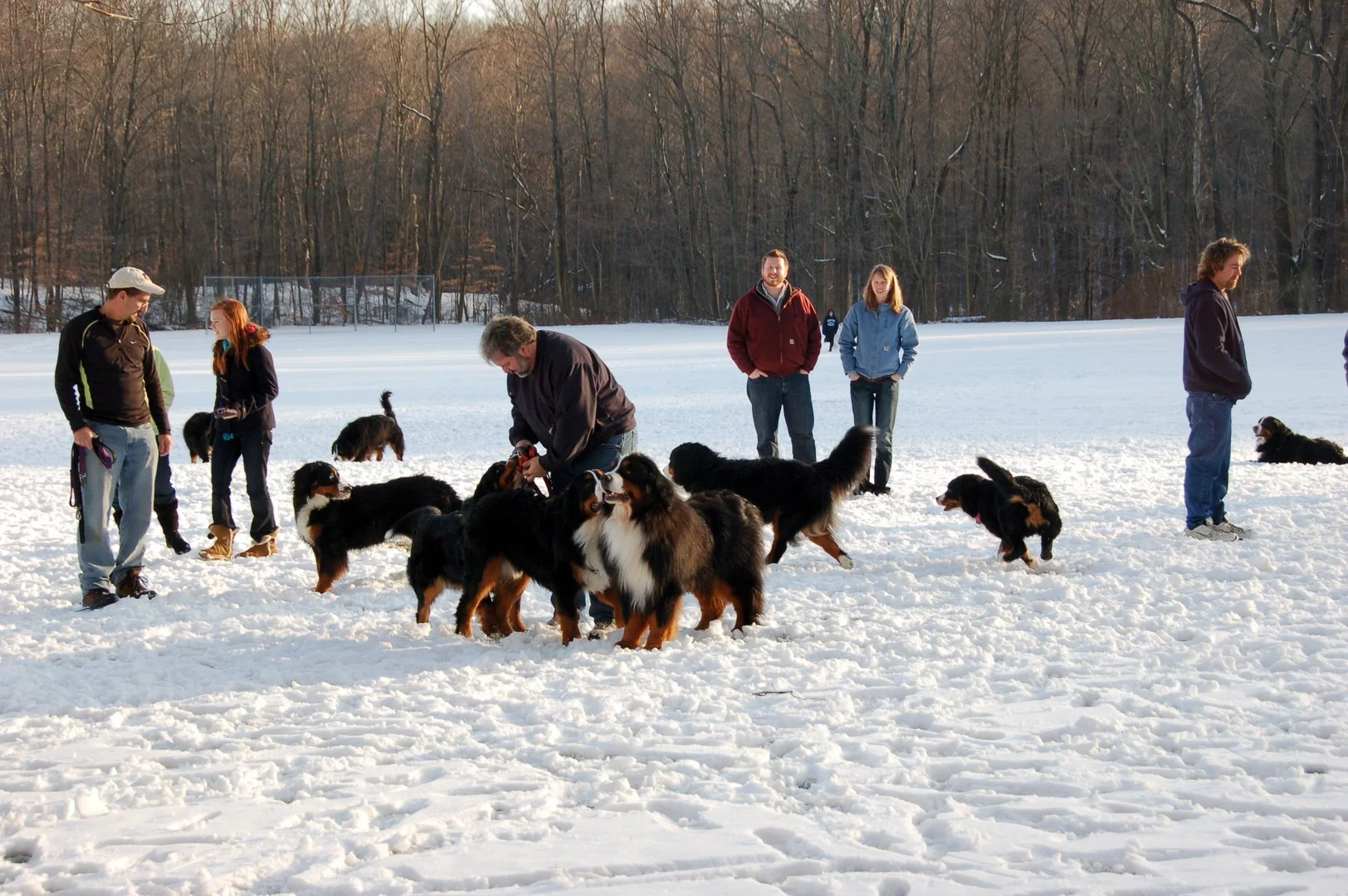
5. We also take group walks:
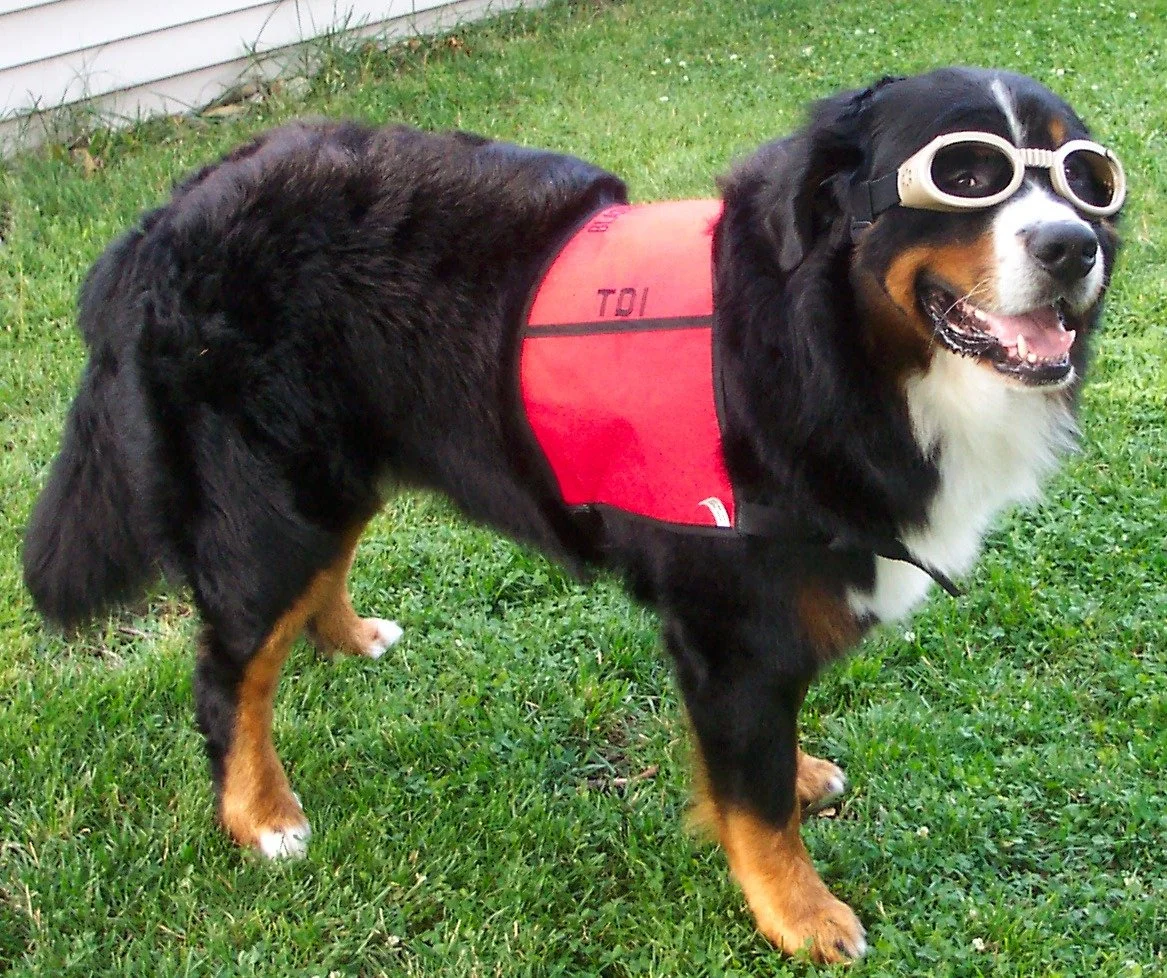
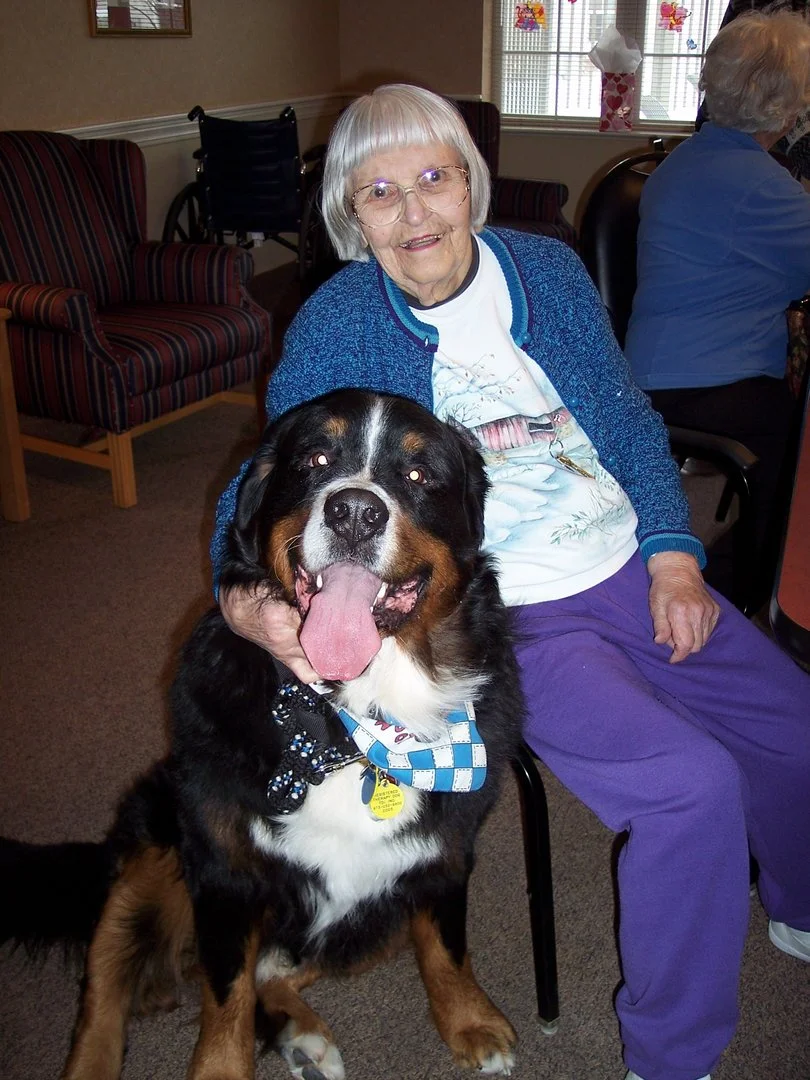
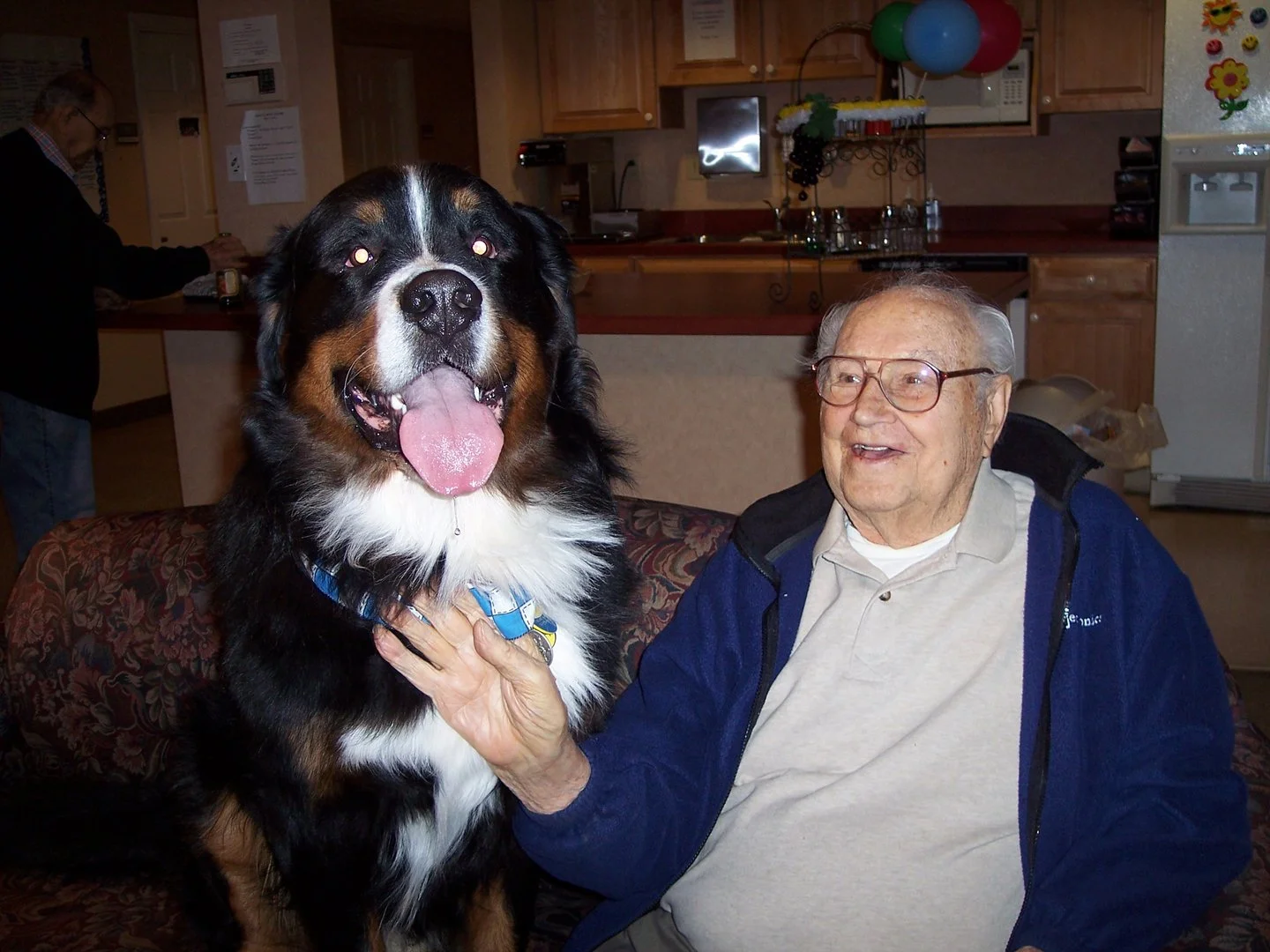
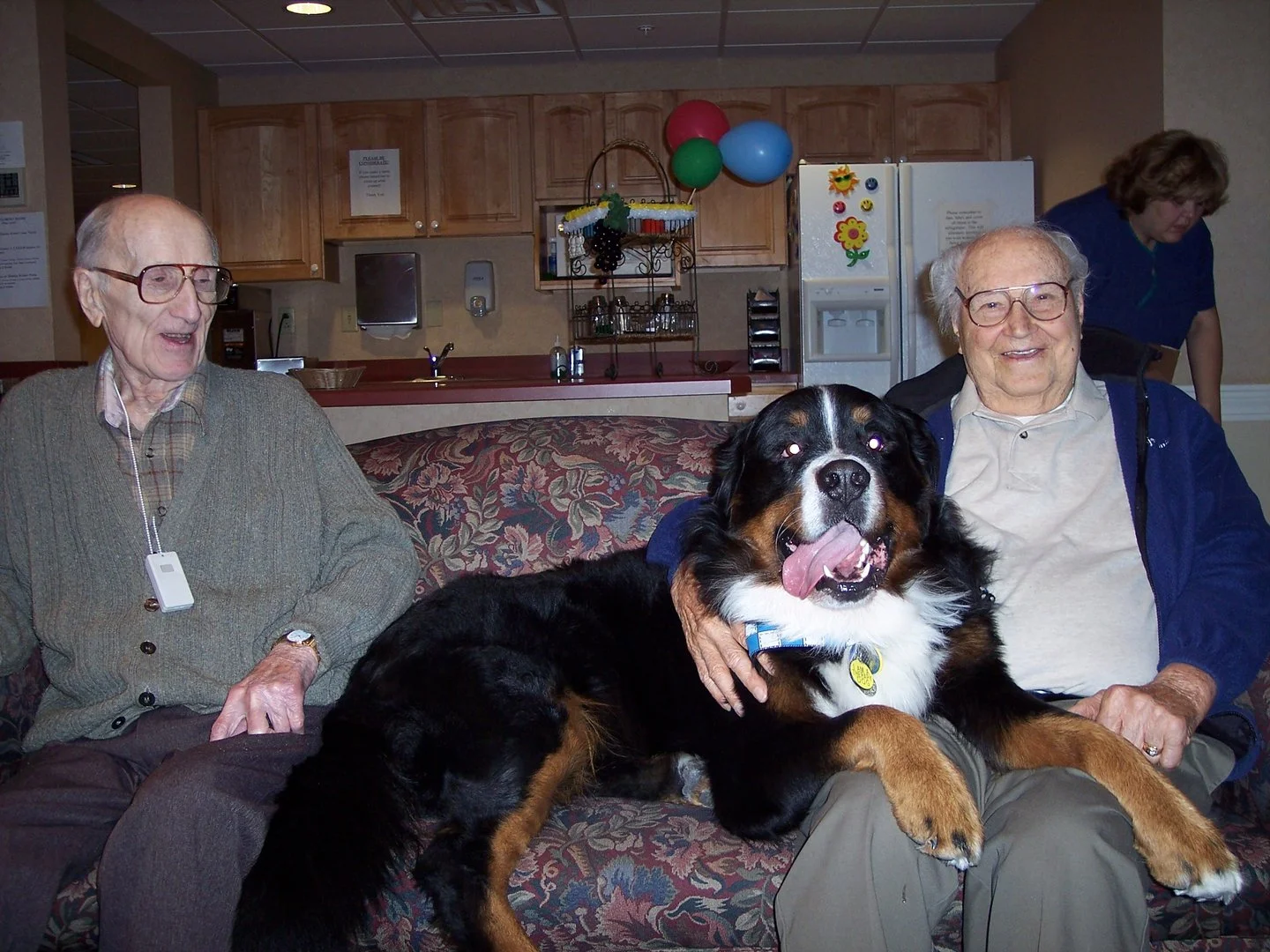
6. Some are very smart - they undergo special training to qualify to be called "Therapy Dog".
They visit hospitals and nursing homes to visit with patients and residents:
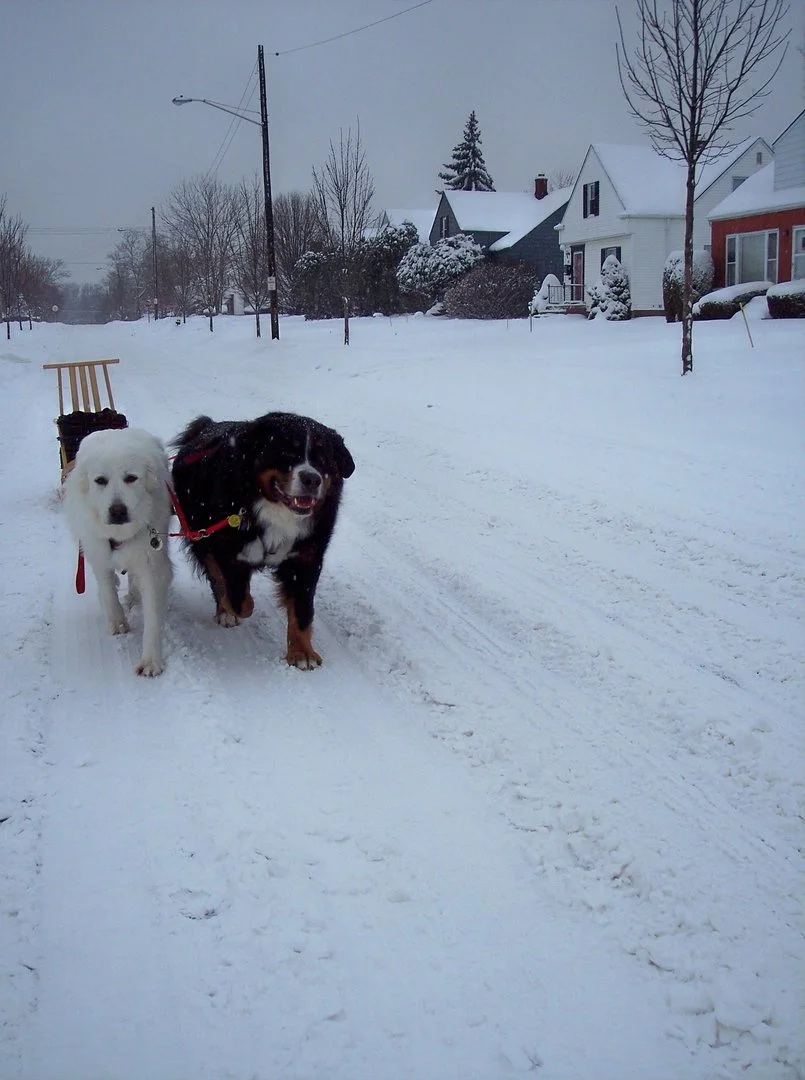
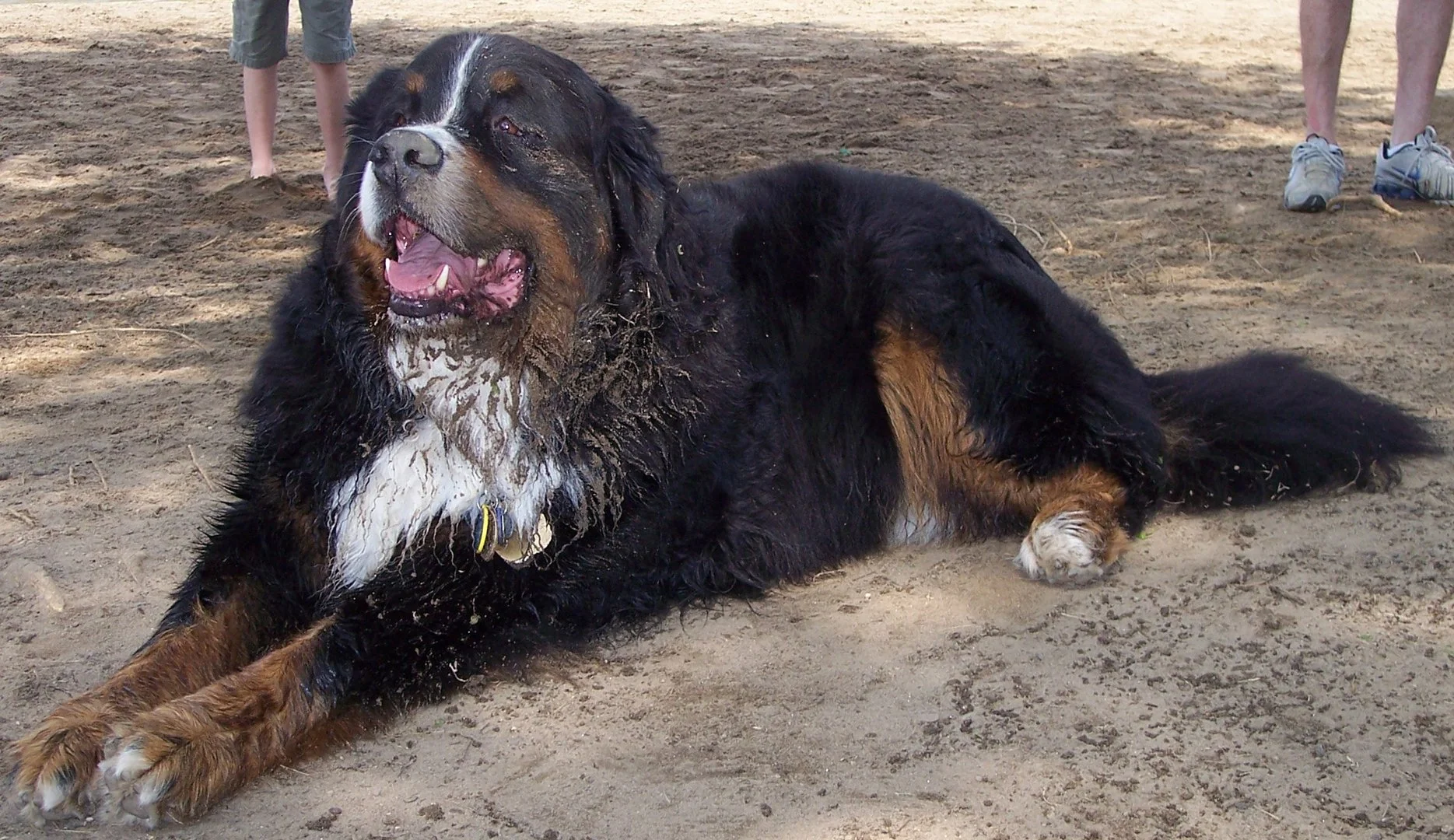
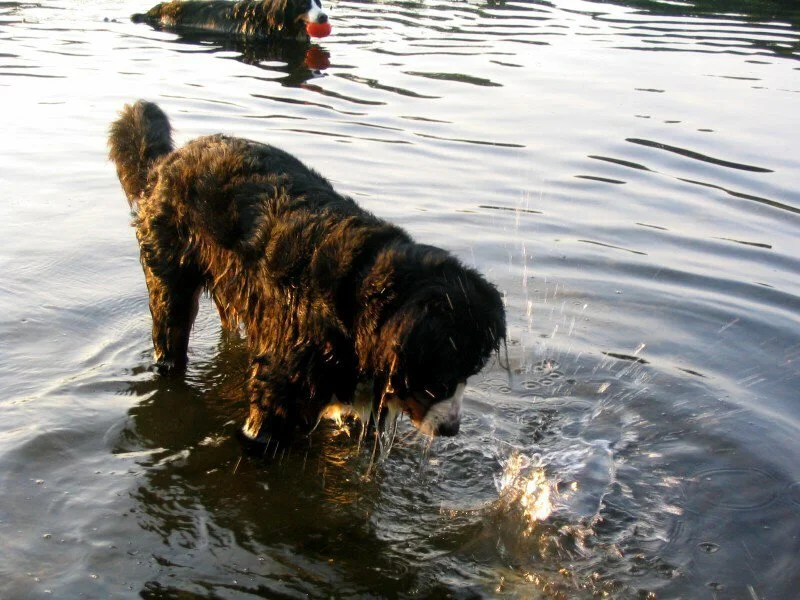
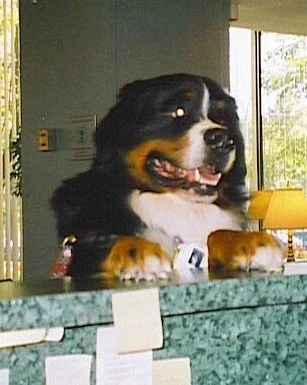
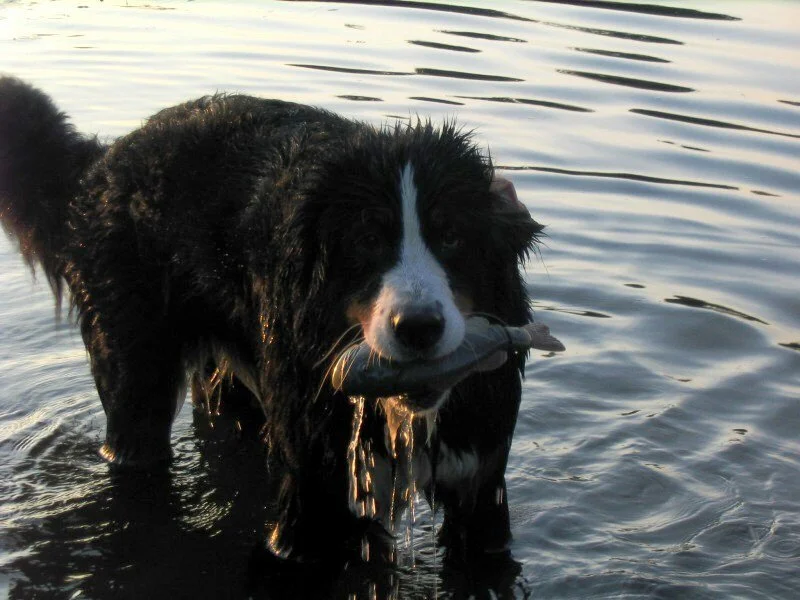
10. Some big guys even think they are lapdogs, some love to get down and dirty, and some even catch fish: